English
English
English
How to approach wine cellars in your architectural projects?

How to approach wine cellars in your architectural projects?

Integrating a wine cellar into an architectural project involves choices of volume, technique, and use. This article helps architects to approach it at the right time, with the right method.

15 min read

15 min read

Interior Architect: How to Approach Wine Cellars in Your Projects

The wine cellar is no longer an ancillary space. In contemporary projects, it becomes a fully-fledged architectural element, on par with a staircase, a library, or a glass ceiling. However, it is often addressed too late, as a mere technical feature, whereas it engages architecture, usage, and the overall perception of the space.

For an interior architect, integrating a wine cellar raises very concrete questions: location, volumes, light, circulation, actual uses of the client. If anticipated poorly, the cellar becomes a constraint. Thoughtfully designed, it enhances the cohesion and value of the project. It is precisely on this articulation between architecture and usage that Maison Borio, a specialist in bespoke wine cellars integrated into the space, bases its approach. You can discover this holistic vision on Maison Borio.


Why the Wine Cellar Should Be Considered from the Design Phase


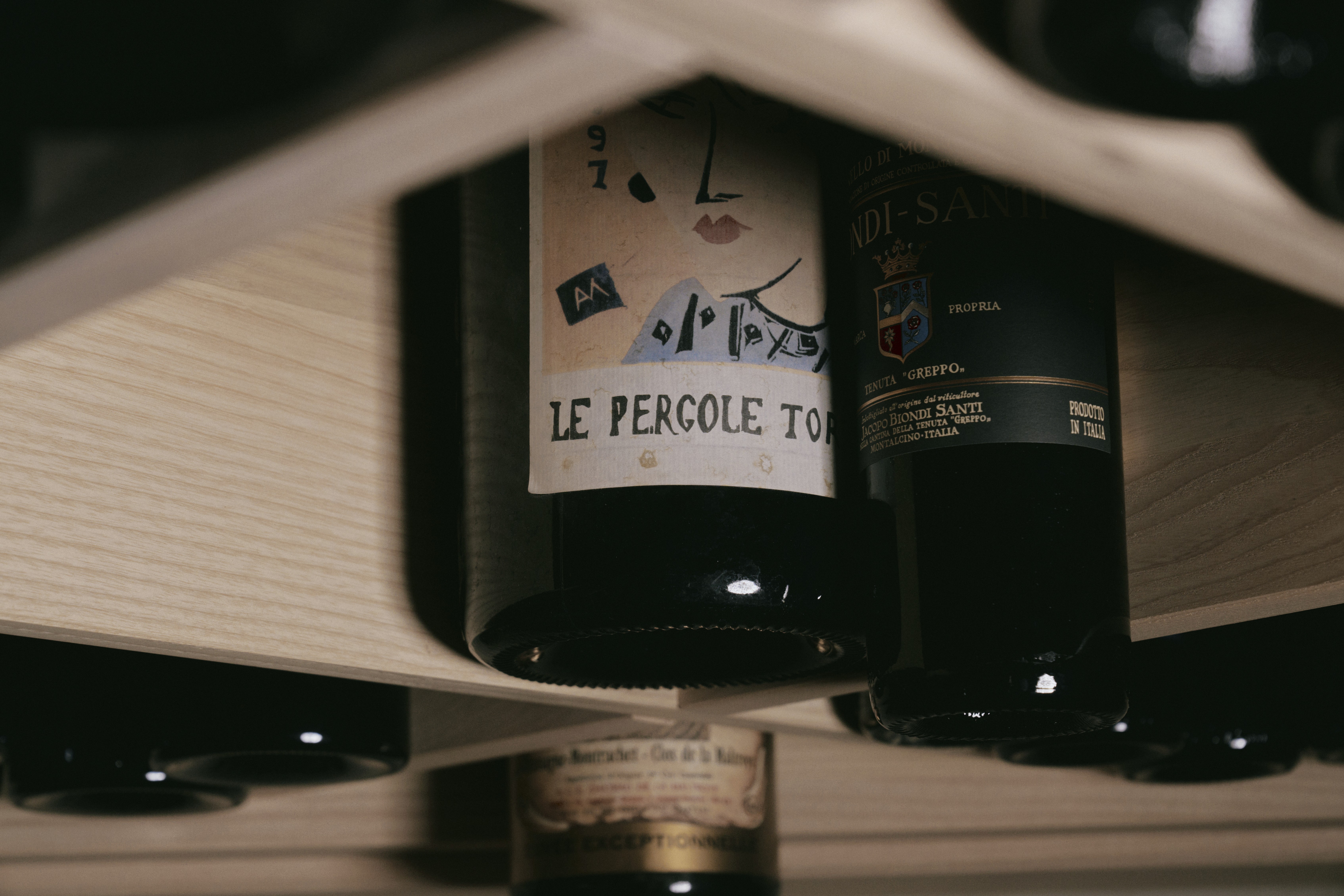
Pourquoi la cave à vin doit être pensée dès la phase de conception - Maison Borio

In an interior architecture project, the wine cellar can no longer be added at the end of the process. As soon as it is visible, it impacts:

  • proportions

  • circulation

  • lines of sight

  • lighting

  • daily usages

👉 A cellar thought of too late always forces compromises. Conversely, if integrated from the sketch phase, it becomes a compositional tool. It is often at this stage that the architect lays the groundwork for a coherent project, in connection with other structural elements. This logic can be found in the projects realized by Maison Borio, where the cellar is part of the overall design, never an addition.


Understanding Uses Before Designing the Cellar

Before discussing materials or staging, one question must be asked: how does the client experience wine?


Storage Cellar, Service Cellar, or Mixed Cellar
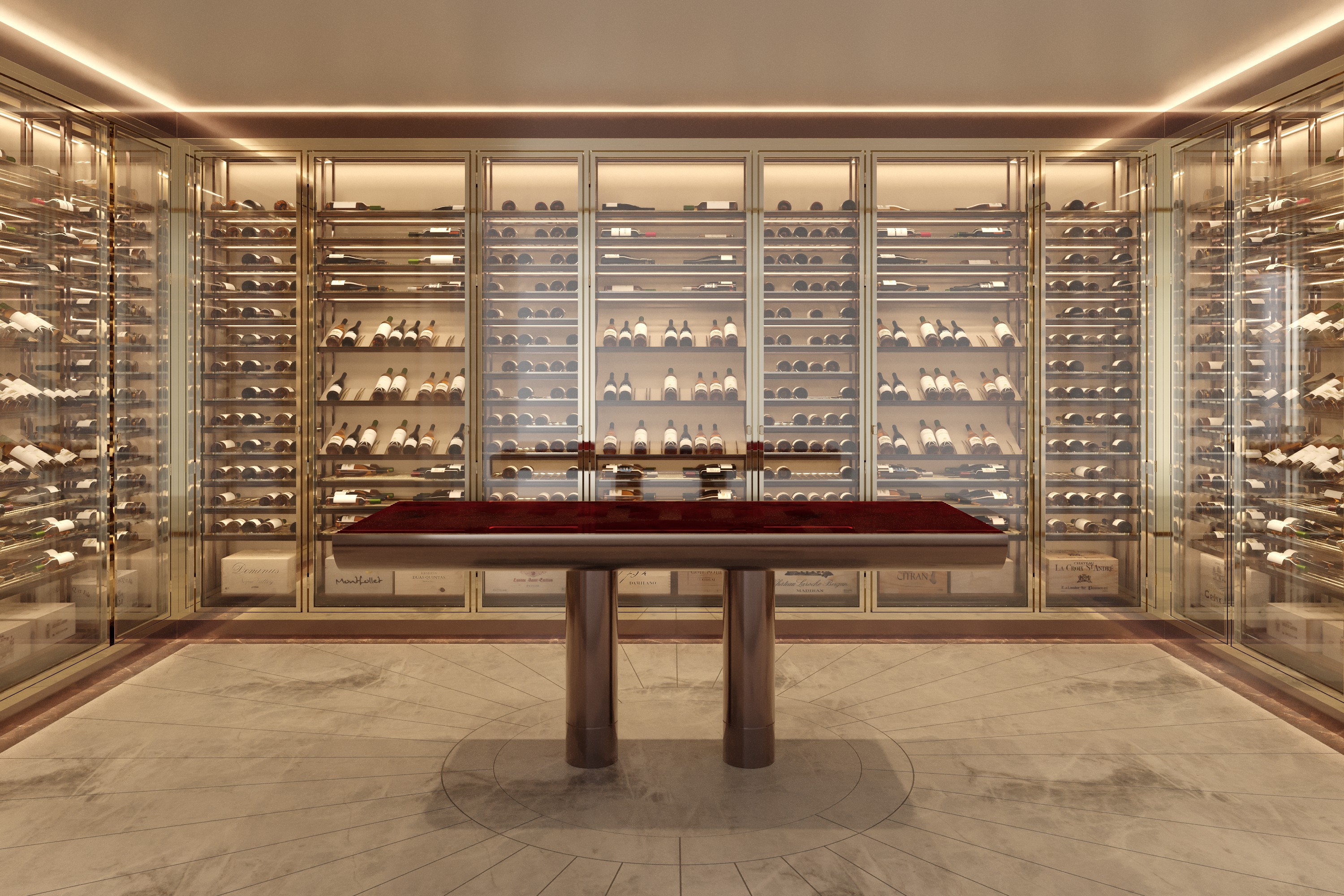

Cave de garde, cave de service ou cave mixte - Maison Borio

Depending on the client’s profile, the cellar does not serve the same role:

  • long-term storage

  • daily service

  • entertaining

  • showcasing a collection

👉 Without this clarification, the project risks being aesthetically pleasing yet functionally disappointing. It is precisely this analysis of uses that structures the services offered by Maison Borio, prior to any design work.


Where to Integrate a Wine Cellar in an Interior Project

The location determines everything. It influences perception, usage, and long-term performance.


Wine Cellar in a Living Room or Common Area

In a living room, the cellar becomes a theatrical element. It structures the space without dominating it, provided the existing lines are respected. Successful integrations play on:

  • height alignment

  • continuity of materials

  • controlled presence, never overwhelming


Wine Cellar Integrated into a Kitchen

Highly sought after, this configuration requires particular attention. The kitchen is a lively space, exposed to heat, humidity, and frequent openings.

👉 Here, the cellar cannot be thought of as just an appliance. It must be integrated into the kitchen architecture, both aesthetically and technically.


Wine Cellar as a Living Space or Dedicated Area

In some high-end projects, the cellar becomes a distinct space: tasting room, confidential area, reception venue.

In this case, the architect works on:

  • volumes

  • acoustics

  • lighting

  • the relationship between the cellar and other spaces

👉 The cellar is no longer just functional; it becomes a place.


Staging, Materials, and Light: The Role of the Architect

The success of a visible cellar relies on a subtle balance.


Materials: Coherence Before Effect

Glass, metal, wood… The materials must engage in dialogue with the rest of the project, not create an artificial break. A successful cellar fits into continuity:

  • of joinery

  • of floors

  • of architectural lines


Lighting: Reveal Without Aggression

The lighting of a cellar does not serve to illuminate but to highlight. Good lighting:

  • emphasizes the bottles

  • creates depth

  • respects thermal constraints

👉 Too decorative, it harms preservation.

👉 Too technical, it disrupts the atmosphere.


Common Mistakes in Integrated Cellar Projects

Some mistakes frequently arise in projects:

  • addressing the cellar after the rest of the arrangement

  • prioritizing visual effect over usage

  • underestimating technical constraints

  • separating design and implementation

👉 These mistakes are costly and difficult to correct once construction has started. That’s why many architects choose to rely on a specialized partner, capable of intervening before the project begins.


Working with a Wine Cellar Specialist
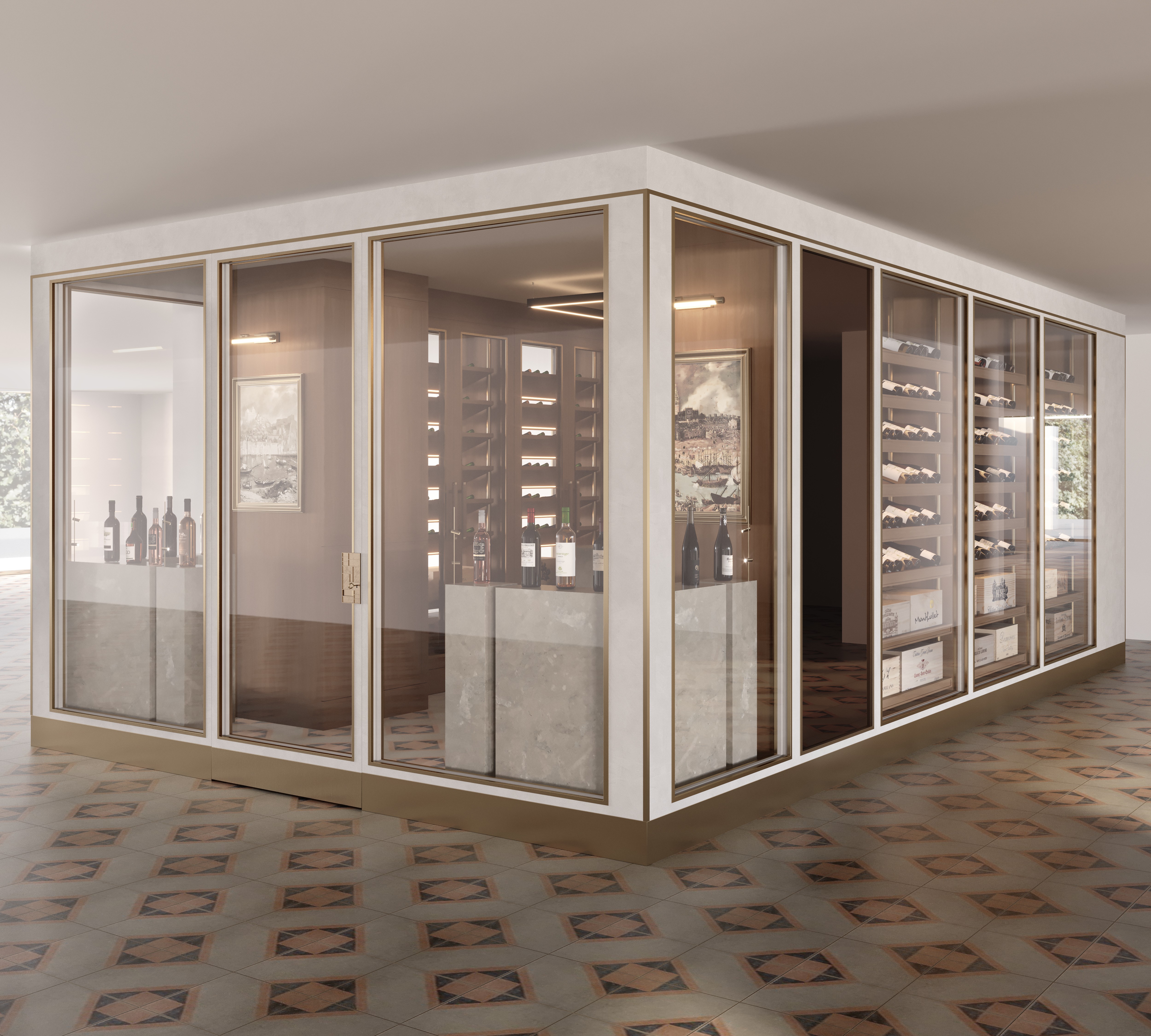

Travailler avec un spécialiste de la cave à vin - Maison Borio

For an interior architect, collaborating with a wine cellar expert allows:

  • to secure technical choices

  • to preserve architectural coherence

  • to respond precisely to the client's needs

  • to avoid late compromises on the site

This is precisely the role of Maison Borio: to assist architects in designing custom cellars, conceived as integral architectural elements. To better understand this approach, you can consult the history.


Technique and Refrigeration: The Invisible Heart of a Custom Wine Cellar


Technique et réfrigération : le cœur invisible d’une cave à vin sur mesure - Maison Borio

Beyond design, customization primarily allows for comprehensive design and prior arbitration on the technical side.
A wine cellar is never just a glazed volume or integrated furniture. It is primarily based on complex refrigeration systems, which determine its performance, durability, and architectural integration.

The choice to install or relocate the condensation unit is never trivial.
It directly influences the volumes, acoustic constraints, air circulation, and the organization of adjacent spaces.

These technical decisions also engage:

  • the electrical connections

  • the water drainage systems

  • the management of heat released by the equipment (heat)

  • maintenance access and operational constraints

👉 This is where the true complexity of a wine cellar lies.
The multiplicity of possible uses (storage, service, reception, rotation) and the high number of technical configurations make each project unique.

At Maison Borio, we approach the cellar as an inseparable whole, where technique serves architecture.
From the design of a custom bronze handle to the design of the condensation unit and its placement, each choice is made to harmonize with the overall project.


Conclusion

Addressing a wine cellar in an interior architecture project requires more than an aesthetic choice. It involves a detailed understanding of usage, technical anticipation, and true architectural coherence. Designed from the outset, the cellar becomes an asset. Added too late, it becomes a constraint.

👉 To integrate a cellar fluidly, sustainably, and coherently into your projects, the support of a qualified provider makes all the difference. You can exchange ideas about your projects via the contact.


FAQ – Interior Architect and Wine Cellar

Should a wine cellar always be visible in a project?

No. It all depends on the uses and the project's positioning. Visibility should always serve the place.

When should the reflection on the cellar be integrated?

From the sketch phase, especially if the cellar is visible or structural.

Does an integrated cellar complicate the construction?

Not if it’s planned. Difficulties mainly arise when the cellar is added late.

Should one prioritize a decorative or functional cellar?

The cellar must always remain functional. Aesthetic considerations come after.

Why work with a specialist rather than a standard supplier?

Because the cellar engages architecture, technique, and usage, requiring a holistic vision.

Sources

Interior Architect: How to Approach Wine Cellars in Your Projects

The wine cellar is no longer an ancillary space. In contemporary projects, it becomes a fully-fledged architectural element, on par with a staircase, a library, or a glass ceiling. However, it is often addressed too late, as a mere technical feature, whereas it engages architecture, usage, and the overall perception of the space.

For an interior architect, integrating a wine cellar raises very concrete questions: location, volumes, light, circulation, actual uses of the client. If anticipated poorly, the cellar becomes a constraint. Thoughtfully designed, it enhances the cohesion and value of the project. It is precisely on this articulation between architecture and usage that Maison Borio, a specialist in bespoke wine cellars integrated into the space, bases its approach. You can discover this holistic vision on Maison Borio.


Why the Wine Cellar Should Be Considered from the Design Phase


Pourquoi la cave à vin doit être pensée dès la phase de conception - Maison Borio

In an interior architecture project, the wine cellar can no longer be added at the end of the process. As soon as it is visible, it impacts:

  • proportions

  • circulation

  • lines of sight

  • lighting

  • daily usages

👉 A cellar thought of too late always forces compromises. Conversely, if integrated from the sketch phase, it becomes a compositional tool. It is often at this stage that the architect lays the groundwork for a coherent project, in connection with other structural elements. This logic can be found in the projects realized by Maison Borio, where the cellar is part of the overall design, never an addition.


Understanding Uses Before Designing the Cellar

Before discussing materials or staging, one question must be asked: how does the client experience wine?


Storage Cellar, Service Cellar, or Mixed Cellar


Cave de garde, cave de service ou cave mixte - Maison Borio

Depending on the client’s profile, the cellar does not serve the same role:

  • long-term storage

  • daily service

  • entertaining

  • showcasing a collection

👉 Without this clarification, the project risks being aesthetically pleasing yet functionally disappointing. It is precisely this analysis of uses that structures the services offered by Maison Borio, prior to any design work.


Where to Integrate a Wine Cellar in an Interior Project

The location determines everything. It influences perception, usage, and long-term performance.


Wine Cellar in a Living Room or Common Area

In a living room, the cellar becomes a theatrical element. It structures the space without dominating it, provided the existing lines are respected. Successful integrations play on:

  • height alignment

  • continuity of materials

  • controlled presence, never overwhelming


Wine Cellar Integrated into a Kitchen

Highly sought after, this configuration requires particular attention. The kitchen is a lively space, exposed to heat, humidity, and frequent openings.

👉 Here, the cellar cannot be thought of as just an appliance. It must be integrated into the kitchen architecture, both aesthetically and technically.


Wine Cellar as a Living Space or Dedicated Area

In some high-end projects, the cellar becomes a distinct space: tasting room, confidential area, reception venue.

In this case, the architect works on:

  • volumes

  • acoustics

  • lighting

  • the relationship between the cellar and other spaces

👉 The cellar is no longer just functional; it becomes a place.


Staging, Materials, and Light: The Role of the Architect

The success of a visible cellar relies on a subtle balance.


Materials: Coherence Before Effect

Glass, metal, wood… The materials must engage in dialogue with the rest of the project, not create an artificial break. A successful cellar fits into continuity:

  • of joinery

  • of floors

  • of architectural lines


Lighting: Reveal Without Aggression

The lighting of a cellar does not serve to illuminate but to highlight. Good lighting:

  • emphasizes the bottles

  • creates depth

  • respects thermal constraints

👉 Too decorative, it harms preservation.

👉 Too technical, it disrupts the atmosphere.


Common Mistakes in Integrated Cellar Projects

Some mistakes frequently arise in projects:

  • addressing the cellar after the rest of the arrangement

  • prioritizing visual effect over usage

  • underestimating technical constraints

  • separating design and implementation

👉 These mistakes are costly and difficult to correct once construction has started. That’s why many architects choose to rely on a specialized partner, capable of intervening before the project begins.


Working with a Wine Cellar Specialist


Travailler avec un spécialiste de la cave à vin - Maison Borio

For an interior architect, collaborating with a wine cellar expert allows:

  • to secure technical choices

  • to preserve architectural coherence

  • to respond precisely to the client's needs

  • to avoid late compromises on the site

This is precisely the role of Maison Borio: to assist architects in designing custom cellars, conceived as integral architectural elements. To better understand this approach, you can consult the history.


Technique and Refrigeration: The Invisible Heart of a Custom Wine Cellar


Technique et réfrigération : le cœur invisible d’une cave à vin sur mesure - Maison Borio

Beyond design, customization primarily allows for comprehensive design and prior arbitration on the technical side.
A wine cellar is never just a glazed volume or integrated furniture. It is primarily based on complex refrigeration systems, which determine its performance, durability, and architectural integration.

The choice to install or relocate the condensation unit is never trivial.
It directly influences the volumes, acoustic constraints, air circulation, and the organization of adjacent spaces.

These technical decisions also engage:

  • the electrical connections

  • the water drainage systems

  • the management of heat released by the equipment (heat)

  • maintenance access and operational constraints

👉 This is where the true complexity of a wine cellar lies.
The multiplicity of possible uses (storage, service, reception, rotation) and the high number of technical configurations make each project unique.

At Maison Borio, we approach the cellar as an inseparable whole, where technique serves architecture.
From the design of a custom bronze handle to the design of the condensation unit and its placement, each choice is made to harmonize with the overall project.


Conclusion

Addressing a wine cellar in an interior architecture project requires more than an aesthetic choice. It involves a detailed understanding of usage, technical anticipation, and true architectural coherence. Designed from the outset, the cellar becomes an asset. Added too late, it becomes a constraint.

👉 To integrate a cellar fluidly, sustainably, and coherently into your projects, the support of a qualified provider makes all the difference. You can exchange ideas about your projects via the contact.


FAQ – Interior Architect and Wine Cellar

Should a wine cellar always be visible in a project?

No. It all depends on the uses and the project's positioning. Visibility should always serve the place.

When should the reflection on the cellar be integrated?

From the sketch phase, especially if the cellar is visible or structural.

Does an integrated cellar complicate the construction?

Not if it’s planned. Difficulties mainly arise when the cellar is added late.

Should one prioritize a decorative or functional cellar?

The cellar must always remain functional. Aesthetic considerations come after.

Why work with a specialist rather than a standard supplier?

Because the cellar engages architecture, technique, and usage, requiring a holistic vision.

Sources
Receive the inspiration Maison Borio

Each month, receive by email our artisan portraits, case studies, and inspirations.

No spam. You can unsubscribe at any time.

Imagine your custom wine cellar

You want to design a high-end custom wine cellar. Our teams support you with discretion and rigor, from reflection to the realization of your project. To start a personalized exchange, contact us.

Request a personalized study

contact@maisonborio.com

Maison Borio, conception de caves à vin sur mesure haut de gamme issues de l’artisanat français

Follow us

Every week, we share our case studies and inspirations with you.

Maison Borio logo white

© Maison Borio 2025

English

Terms of Service

Personal data and cookies

Cookie settings

Receive the inspiration Maison Borio

Each month, receive by email our artisan portraits, case studies, and inspirations.

No spam. You can unsubscribe at any time.

Imagine your custom wine cellar

You want to design a high-end custom wine cellar. Our teams support you with discretion and rigor, from reflection to the realization of your project. To start a personalized exchange, contact us.

Request a personalized study

contact@maisonborio.com

Maison Borio, conception de caves à vin sur mesure haut de gamme issues de l’artisanat français

Follow us

Every week, we share our case studies and inspirations with you.

Maison Borio logo white

© Maison Borio 2025

English

Terms of Service

Personal data and cookies

Cookie settings