
Glass cellar: 5 high-end integration ideas
Glass cave: 5 high-end integration formats designed as true architectural elements, balancing proportions, light, uses, and controlled technical constraints.
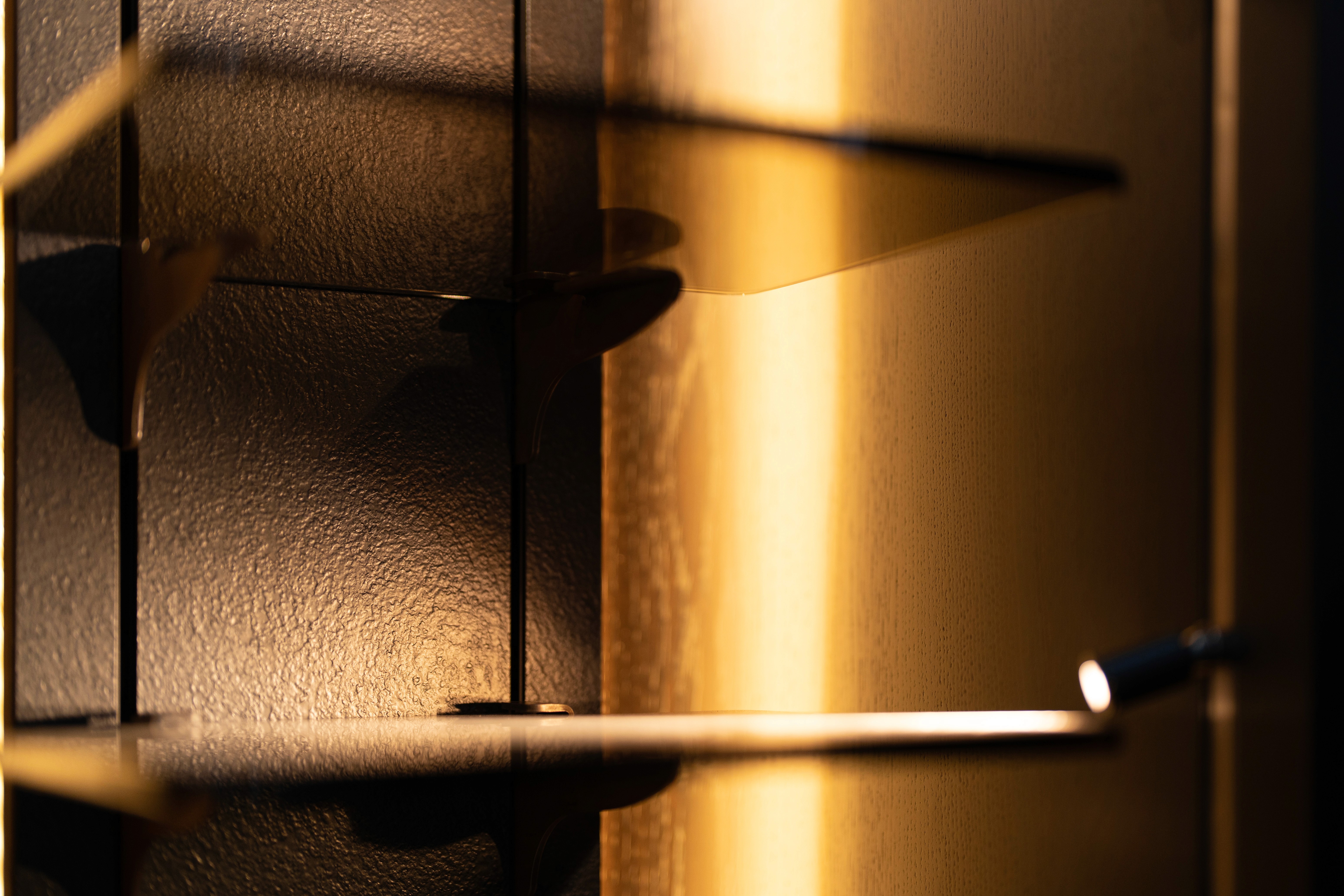
Glass cave: 5 high-end integration formats designed as true architectural elements, balancing proportions, light, uses, and controlled technical constraints.
18 min read
18 min read
A custom glass wine cellar is today a fully-fledged architectural element.
It structures the space, showcases a collection, and gives a true identity to a contemporary interior, as long as it is properly conceived from the outset. This evolution accompanies a fundamental trend: according to the International Organization of Vine and Wine, the value of consumed wine is increasing faster than volumes since 2022, a sign of growing interest in reserve wines and better-preserved private collections (OIV, State of the World Vine and Wine Sector 2024).
In concrete terms, a design glass wine cellar is no longer just a storage space. It is a strong architectural choice, found in both high-end residential settings and in certain hotels and restaurants.
This is precisely the approach advocated by Maison Borio: to design cellars as integrated architectural elements of the space, not as added objects.
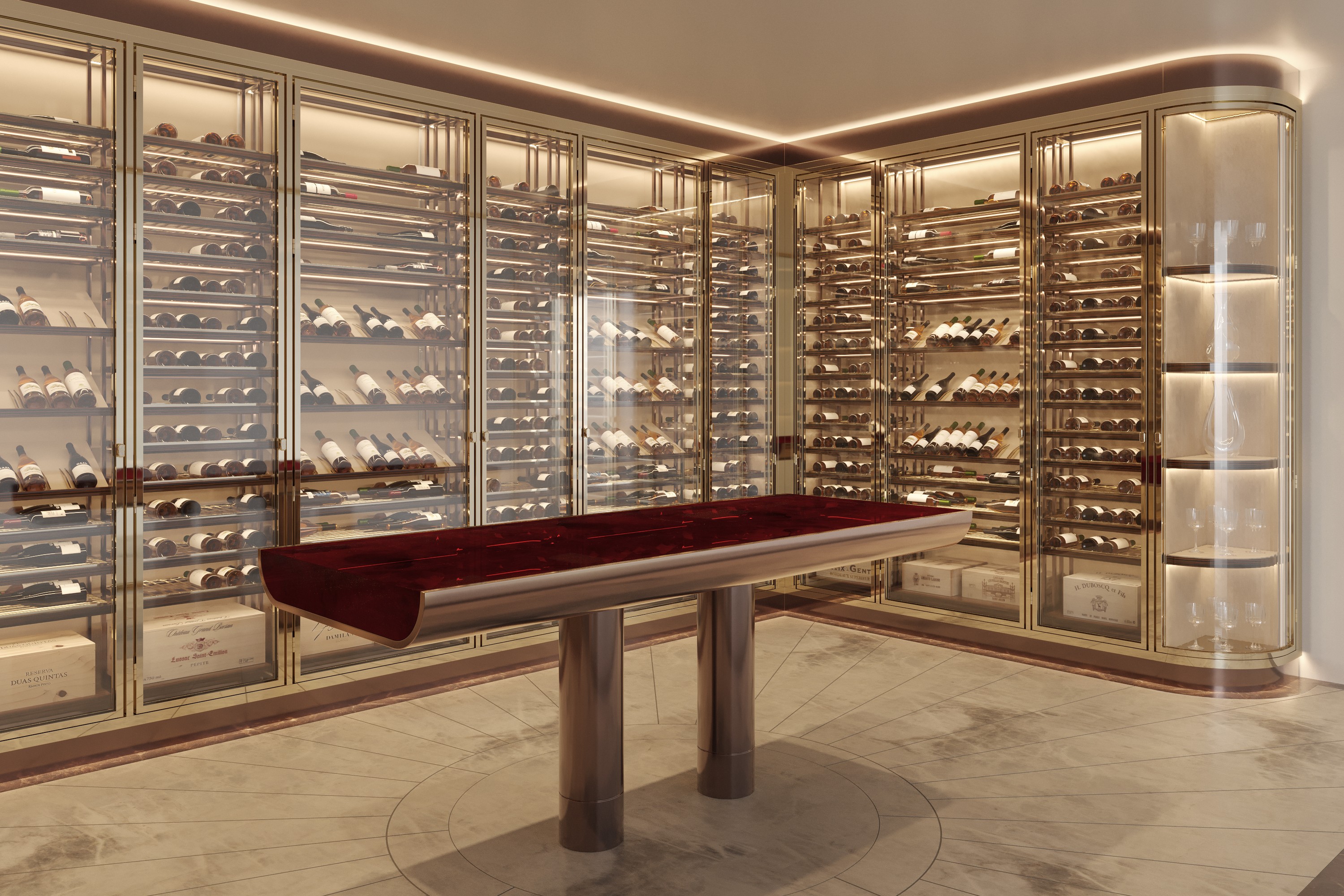
Here are the 5 most relevant integration configurations, observed in high-end residential and professional projects. These are what truly structure the interior architecture when a glass cellar is visible.
👉 The cellar as a central architectural element
The glass cellar in a living room becomes a focal point. It structures the space without dominating it, provided the existing lines are respected. Ideally, it is positioned:
on a load-bearing wall
on a center wall
or as a partition
The main issue remains visual balance. If the cellar draws more attention than the room itself, it is oversized.
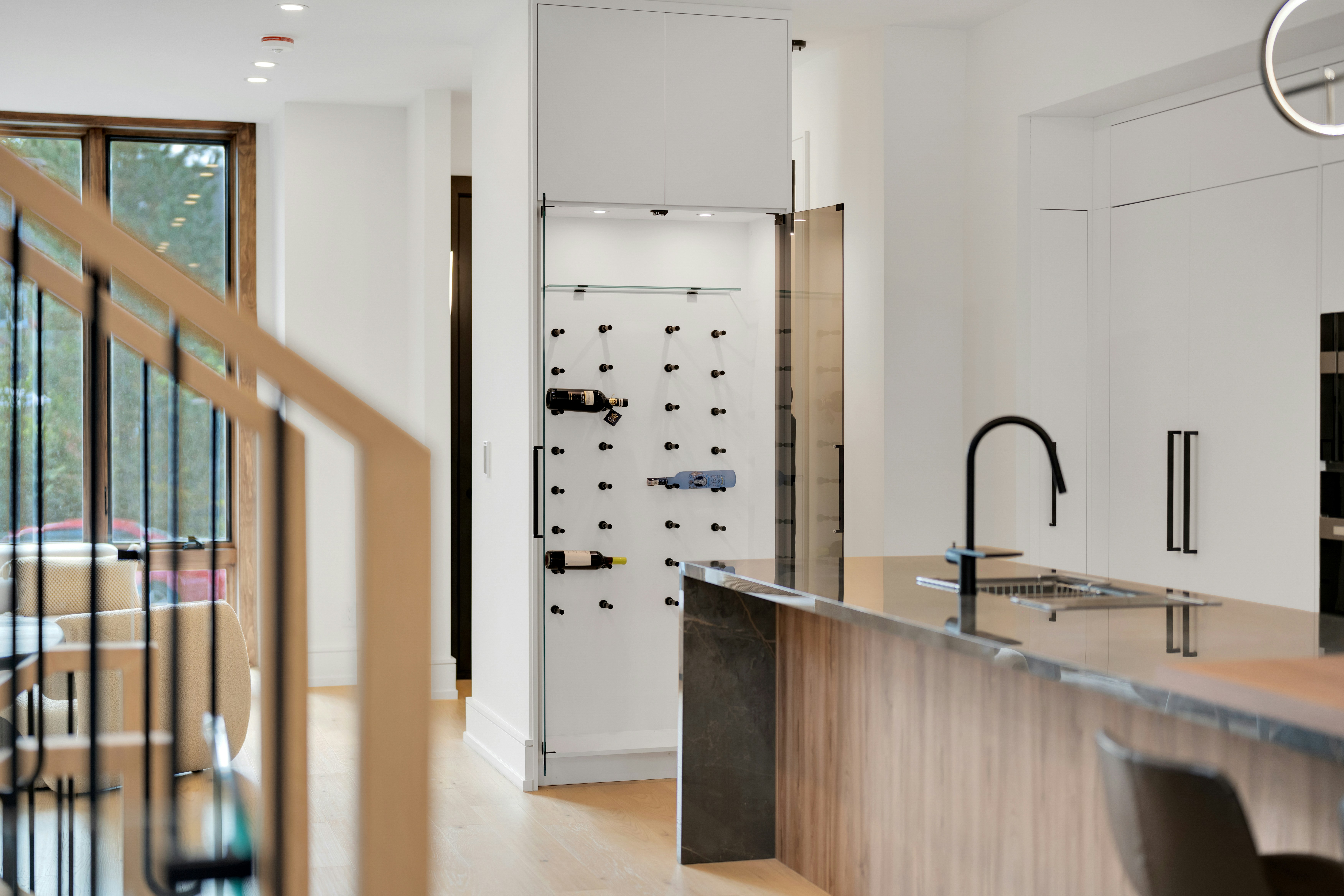
👉 The cellar as a service and staging tool
The glass cellar in the kitchen is appealing due to its proximity to use. It supports reception, service, and daily life. However, it is also the most demanding environment:
heat
humidity
frequent openings
constant traffic
Without proper design, performance degrades in favor of nuisances.
👉 The cellar as a circulation element
In a passage area, the glass cellar must never block the perspective. It supports movement and creates a gallery effect. Successful projects play on:
architectural rhythm
visual depth
soft and continuous lighting
The cellar then becomes a punctuation, never an obstacle.
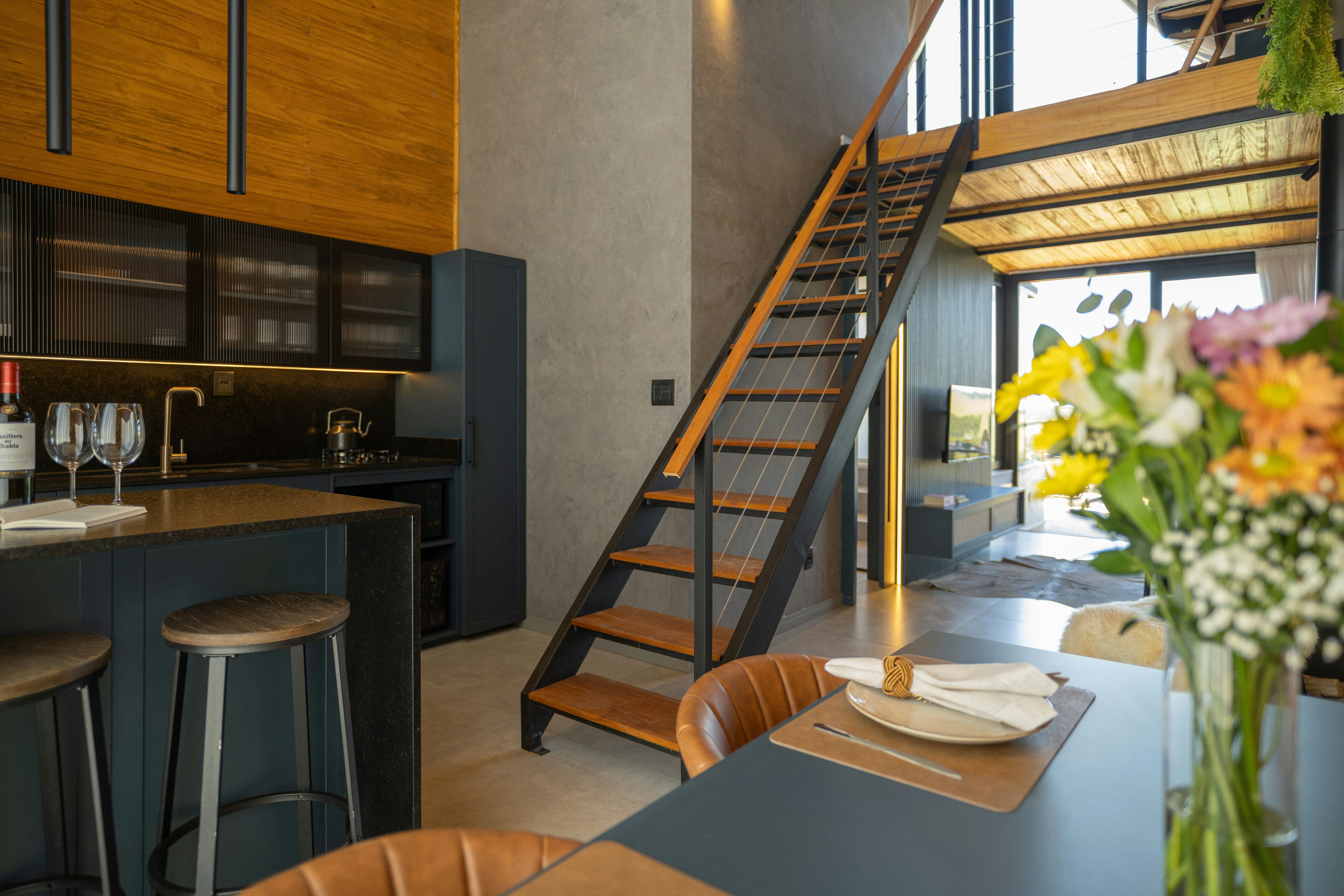
👉 The cellar as optimization of a constrained volume
The glass cellar under stairs takes advantage of often wasted space. But it is also one of the most technically demanding cases. Frequent constraints:
variable heights
complex angles
delicate ventilation
Here, custom design is not an option, it is a necessity.
👉 The cellar as a dialogue between culture and architecture
This configuration combines wine and books in one cohesive entity. It relies on fine work of alignments, grids, and materials. However, caution is advised:
noise disturbances
outdoor lights
vibrations
It’s an elegant integration, but technically demanding.
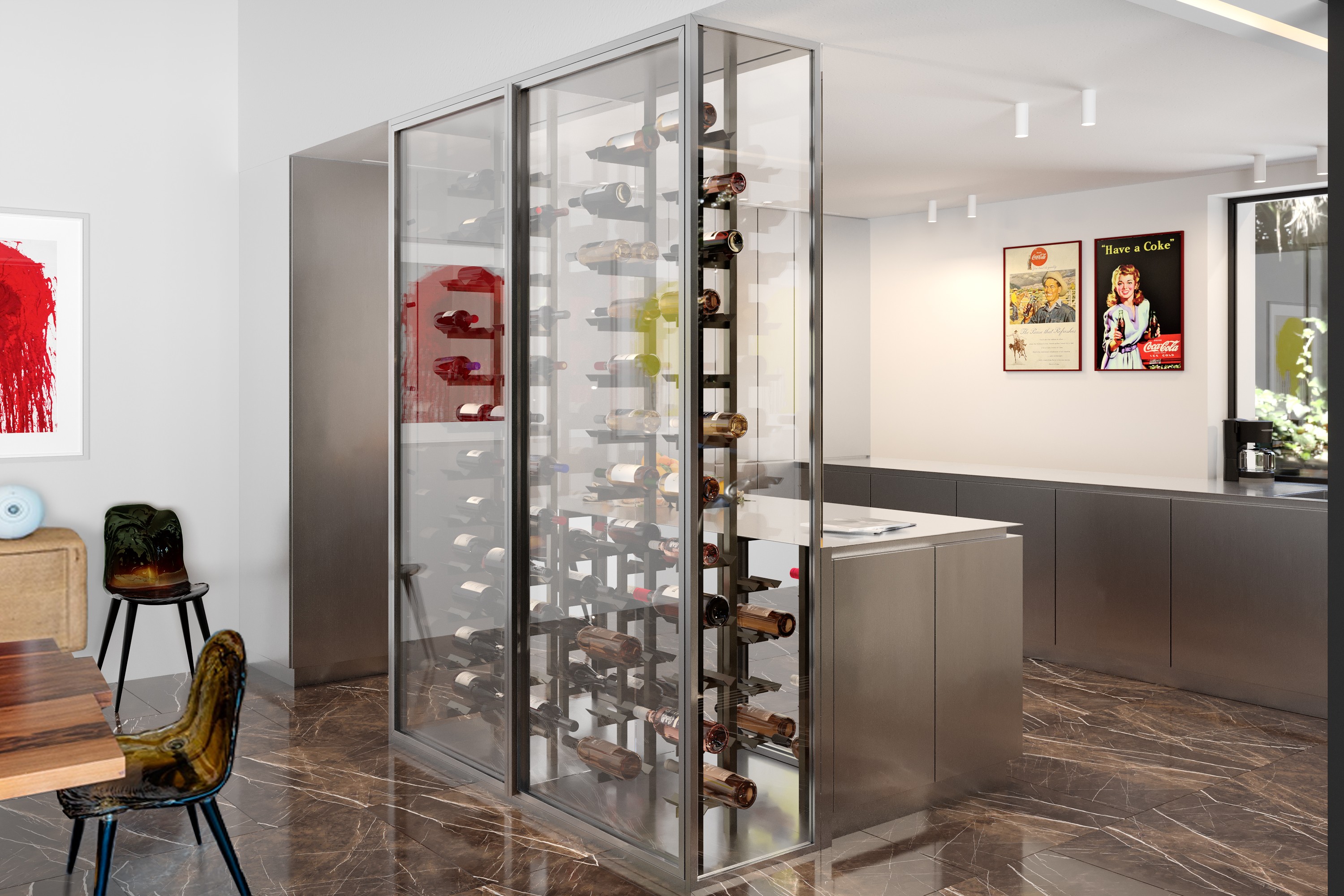
For a long time, the cellar was hidden away. Today, it embraces visibility. Glass allows separation without compartmentalization, creating depth and allowing light to circulate. In a contemporary interior, a glass cellar acts like a breath: it connects volumes and clarifies the reading of the space. But this visibility changes everything.
👉 As soon as a cellar is visible, it engages the entire architectural project.
A poorly proportioned, poorly lit, or technically approximate cellar immediately becomes a weak point. In contrast, a well-designed cellar becomes a marker of quality. This is why successful projects always rely on:
precise proportions
readable lines
an invisible yet mastered technique
This vision is found in the expertise of Maison Borio.
This is the first real question to settle. A decorative glass cellar primarily prioritizes aesthetics. It showcases bottles and contributes to the interior architecture, but is not designed, by default, for long-term storage. Exposed to natural light or thermal variations, a decorative glass cellar can alter the aging of wine if no specific devices are provided.
👉 A glass cellar is therefore not automatically discouraged, but it must be designed differently depending on the desired objective.
At Maison Borio, we design glass cellars integrating opaque parts, UV-filtering glazing, and adapted technical solutions, to limit the impact of light and ensure conditions compatible with conservation. This framework is set from the early phases in the services offered by Maison Borio.
A successful glass cellar relies as much on what is seen… as on what is not seen.
Glass: extra-clear, always double glazed or vacuum glazing
Metal: brass, treated steel, wood, etc… we adapt materials to the design
Wood: protected against humidity and designed to withstand changes in interior/exterior temperatures
Lighting must reveal without heating. Low-temperature LEDs, controlled scenarios, and regulated shadow zones. Condensation depends on the dew point, that is, the gap between the air temperature and that of the glazing.
👉 This calculation is done during design, never after construction.
Let’s be clear.
Solution | Advantage | Limit |
|---|---|---|
Custom | Perfect adaptation | Budget |
Semi-standard | Reduced lead times | Compromise |
Standard | Cost | Poorly suited |
👉 As soon as a cellar is visible, custom design becomes a matter of course.
This positioning guides Maison Borio.
A high-end glass cellar represents much more than an aesthetic choice. It involves architecture, technique, and actual use. Poorly conceived, it becomes a constraint. Well designed, it enhances an interior.
This is precisely why a glass cellar project deserves the support of a qualified service provider, capable of transforming an aesthetic intention into a sustainable solution.
👉 To go further, discover concrete realizations or verify technical feasibility, check the Maison Borio projects or get in touch via the contact page.
Yes, in theory, a glass cellar can fit into almost any room.
In practice, each space imposes its own constraints: ambient temperature, air circulation, natural light, noise, and daily use. This is why a prior study is essential to adapt the design to the actual location, and not the other way around.
Condensation on a glass cellar almost always stems from an imbalance between the ambient air temperature and that of the glazing. To avoid it, one must anticipate the dew point from the design stage, by combining suitable glazing, controlled ventilation, and coherent climate regulation. Solutions added afterward are rarely sustainable.
Not necessarily. A well-designed glass cellar, correctly insulated and sized, can have a comparable consumption to a closed cellar. However, a poorly conceived glass cellar, exposed to heat or frequent openings, leads to significant overconsumption. Design makes all the difference.
Yes, the glass cellar in an apartment is quite possible, provided several key points are taken into account: noise level, space constraints, ventilation, and co-ownership restrictions. It is precisely in this context that custom design helps avoid irreversible errors.
For a glass cellar located in a living room, the target temperature is generally around 12 to 15 °C for storage, with controlled tolerance depending on use. The goal is to ensure thermal stability, even if the living area experiences significant variations. This requires a regulation system suited to the environment.
Yes. A glass cellar requires regular maintenance, especially on climate regulation, filters, and the condition of seals. This maintenance is straightforward but essential to ensure performance over time and preserve the collection.
Yes, but with enhanced precautions. The proximity of heat sources, humidity, and frequent openings necessitates specific design. Without these adjustments, the cellar quickly loses efficiency and user comfort.
Because a glass cellar involves architecture, technique, and use. An error in proportions, glazing, or ventilation cannot be easily corrected once the work is completed. A specialized provider can anticipate these issues and transform an aesthetic intention into a sustainable solution.
International Organization of Vine and Wine – State of the World Vine and Wine Sector 2024
EuroCave – Editorial files on wine rooms
Wine Enthusiast – Wine Cellar Design Trends
A custom glass wine cellar is today a fully-fledged architectural element.
It structures the space, showcases a collection, and gives a true identity to a contemporary interior, as long as it is properly conceived from the outset. This evolution accompanies a fundamental trend: according to the International Organization of Vine and Wine, the value of consumed wine is increasing faster than volumes since 2022, a sign of growing interest in reserve wines and better-preserved private collections (OIV, State of the World Vine and Wine Sector 2024).
In concrete terms, a design glass wine cellar is no longer just a storage space. It is a strong architectural choice, found in both high-end residential settings and in certain hotels and restaurants.
This is precisely the approach advocated by Maison Borio: to design cellars as integrated architectural elements of the space, not as added objects.
Here are the 5 most relevant integration configurations, observed in high-end residential and professional projects. These are what truly structure the interior architecture when a glass cellar is visible.
👉 The cellar as a central architectural element
The glass cellar in a living room becomes a focal point. It structures the space without dominating it, provided the existing lines are respected. Ideally, it is positioned:
on a load-bearing wall
on a center wall
or as a partition
The main issue remains visual balance. If the cellar draws more attention than the room itself, it is oversized.
👉 The cellar as a service and staging tool
The glass cellar in the kitchen is appealing due to its proximity to use. It supports reception, service, and daily life. However, it is also the most demanding environment:
heat
humidity
frequent openings
constant traffic
Without proper design, performance degrades in favor of nuisances.
👉 The cellar as a circulation element
In a passage area, the glass cellar must never block the perspective. It supports movement and creates a gallery effect. Successful projects play on:
architectural rhythm
visual depth
soft and continuous lighting
The cellar then becomes a punctuation, never an obstacle.
👉 The cellar as optimization of a constrained volume
The glass cellar under stairs takes advantage of often wasted space. But it is also one of the most technically demanding cases. Frequent constraints:
variable heights
complex angles
delicate ventilation
Here, custom design is not an option, it is a necessity.
👉 The cellar as a dialogue between culture and architecture
This configuration combines wine and books in one cohesive entity. It relies on fine work of alignments, grids, and materials. However, caution is advised:
noise disturbances
outdoor lights
vibrations
It’s an elegant integration, but technically demanding.
For a long time, the cellar was hidden away. Today, it embraces visibility. Glass allows separation without compartmentalization, creating depth and allowing light to circulate. In a contemporary interior, a glass cellar acts like a breath: it connects volumes and clarifies the reading of the space. But this visibility changes everything.
👉 As soon as a cellar is visible, it engages the entire architectural project.
A poorly proportioned, poorly lit, or technically approximate cellar immediately becomes a weak point. In contrast, a well-designed cellar becomes a marker of quality. This is why successful projects always rely on:
precise proportions
readable lines
an invisible yet mastered technique
This vision is found in the expertise of Maison Borio.
This is the first real question to settle. A decorative glass cellar primarily prioritizes aesthetics. It showcases bottles and contributes to the interior architecture, but is not designed, by default, for long-term storage. Exposed to natural light or thermal variations, a decorative glass cellar can alter the aging of wine if no specific devices are provided.
👉 A glass cellar is therefore not automatically discouraged, but it must be designed differently depending on the desired objective.
At Maison Borio, we design glass cellars integrating opaque parts, UV-filtering glazing, and adapted technical solutions, to limit the impact of light and ensure conditions compatible with conservation. This framework is set from the early phases in the services offered by Maison Borio.
A successful glass cellar relies as much on what is seen… as on what is not seen.
Glass: extra-clear, always double glazed or vacuum glazing
Metal: brass, treated steel, wood, etc… we adapt materials to the design
Wood: protected against humidity and designed to withstand changes in interior/exterior temperatures
Lighting must reveal without heating. Low-temperature LEDs, controlled scenarios, and regulated shadow zones. Condensation depends on the dew point, that is, the gap between the air temperature and that of the glazing.
👉 This calculation is done during design, never after construction.
Let’s be clear.
Solution | Advantage | Limit |
|---|---|---|
Custom | Perfect adaptation | Budget |
Semi-standard | Reduced lead times | Compromise |
Standard | Cost | Poorly suited |
👉 As soon as a cellar is visible, custom design becomes a matter of course.
This positioning guides Maison Borio.
A high-end glass cellar represents much more than an aesthetic choice. It involves architecture, technique, and actual use. Poorly conceived, it becomes a constraint. Well designed, it enhances an interior.
This is precisely why a glass cellar project deserves the support of a qualified service provider, capable of transforming an aesthetic intention into a sustainable solution.
👉 To go further, discover concrete realizations or verify technical feasibility, check the Maison Borio projects or get in touch via the contact page.
Yes, in theory, a glass cellar can fit into almost any room.
In practice, each space imposes its own constraints: ambient temperature, air circulation, natural light, noise, and daily use. This is why a prior study is essential to adapt the design to the actual location, and not the other way around.
Condensation on a glass cellar almost always stems from an imbalance between the ambient air temperature and that of the glazing. To avoid it, one must anticipate the dew point from the design stage, by combining suitable glazing, controlled ventilation, and coherent climate regulation. Solutions added afterward are rarely sustainable.
Not necessarily. A well-designed glass cellar, correctly insulated and sized, can have a comparable consumption to a closed cellar. However, a poorly conceived glass cellar, exposed to heat or frequent openings, leads to significant overconsumption. Design makes all the difference.
Yes, the glass cellar in an apartment is quite possible, provided several key points are taken into account: noise level, space constraints, ventilation, and co-ownership restrictions. It is precisely in this context that custom design helps avoid irreversible errors.
For a glass cellar located in a living room, the target temperature is generally around 12 to 15 °C for storage, with controlled tolerance depending on use. The goal is to ensure thermal stability, even if the living area experiences significant variations. This requires a regulation system suited to the environment.
Yes. A glass cellar requires regular maintenance, especially on climate regulation, filters, and the condition of seals. This maintenance is straightforward but essential to ensure performance over time and preserve the collection.
Yes, but with enhanced precautions. The proximity of heat sources, humidity, and frequent openings necessitates specific design. Without these adjustments, the cellar quickly loses efficiency and user comfort.
Because a glass cellar involves architecture, technique, and use. An error in proportions, glazing, or ventilation cannot be easily corrected once the work is completed. A specialized provider can anticipate these issues and transform an aesthetic intention into a sustainable solution.
International Organization of Vine and Wine – State of the World Vine and Wine Sector 2024
EuroCave – Editorial files on wine rooms
Wine Enthusiast – Wine Cellar Design Trends
Each month, receive by email our artisan portraits, case studies, and inspirations.
No spam. You can unsubscribe at any time.
You want to design a high-end custom wine cellar. Our teams support you with discretion and rigor, from reflection to the realization of your project. To start a personalized exchange, contact us.
Request a personalized study
contact@maisonborio.com

Terms of Service
Personal data and cookies
Cookie settings
Each month, receive by email our artisan portraits, case studies, and inspirations.
No spam. You can unsubscribe at any time.
You want to design a high-end custom wine cellar. Our teams support you with discretion and rigor, from reflection to the realization of your project. To start a personalized exchange, contact us.
Request a personalized study
contact@maisonborio.com
Terms of Service
Personal data and cookies
Cookie settings