
Wine cellar or service cellar? The right choice
Choosing between a long-term cellar and a service cellar mainly depends on your usage. Frequency of tasting, types of wines, space and temperature constraints shape the right choice.
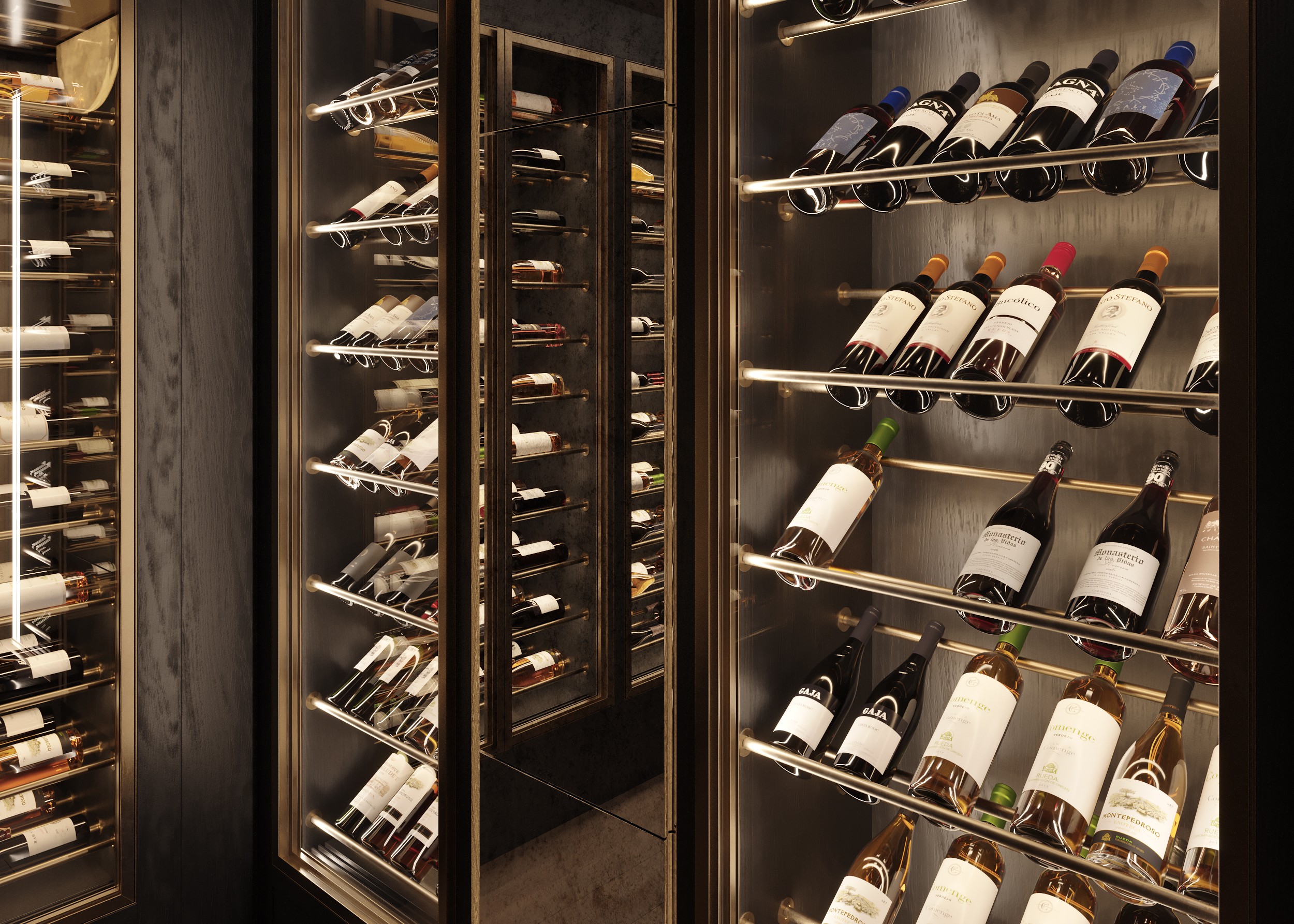
Choosing between a long-term cellar and a service cellar mainly depends on your usage. Frequency of tasting, types of wines, space and temperature constraints shape the right choice.
13 min read
13 min read
Choosing between an aging cellar and a service cellar is not a question of wine, but of lifestyle.
How often do you taste? Do you entertain often? Do you buy to store or to drink? Behind these simple questions lies a structural choice that conditions the actual use of your cellar on a daily basis.
A custom wine cellar only makes sense if it corresponds to your habits.
Otherwise, it quickly becomes a constraint: bottles never at the right temperature, poorly used space, a collection that does not age as expected.
It is precisely to avoid these mistakes that Maison Borio designs cellars based on real usage, rather than a standard model. You can discover the agency's global approach on Maison Borio.
The two are often confused. However, their objectives are fundamentally different. It is possible to do both, as seen in the Paris / Place de Mexico project that we recently implemented.
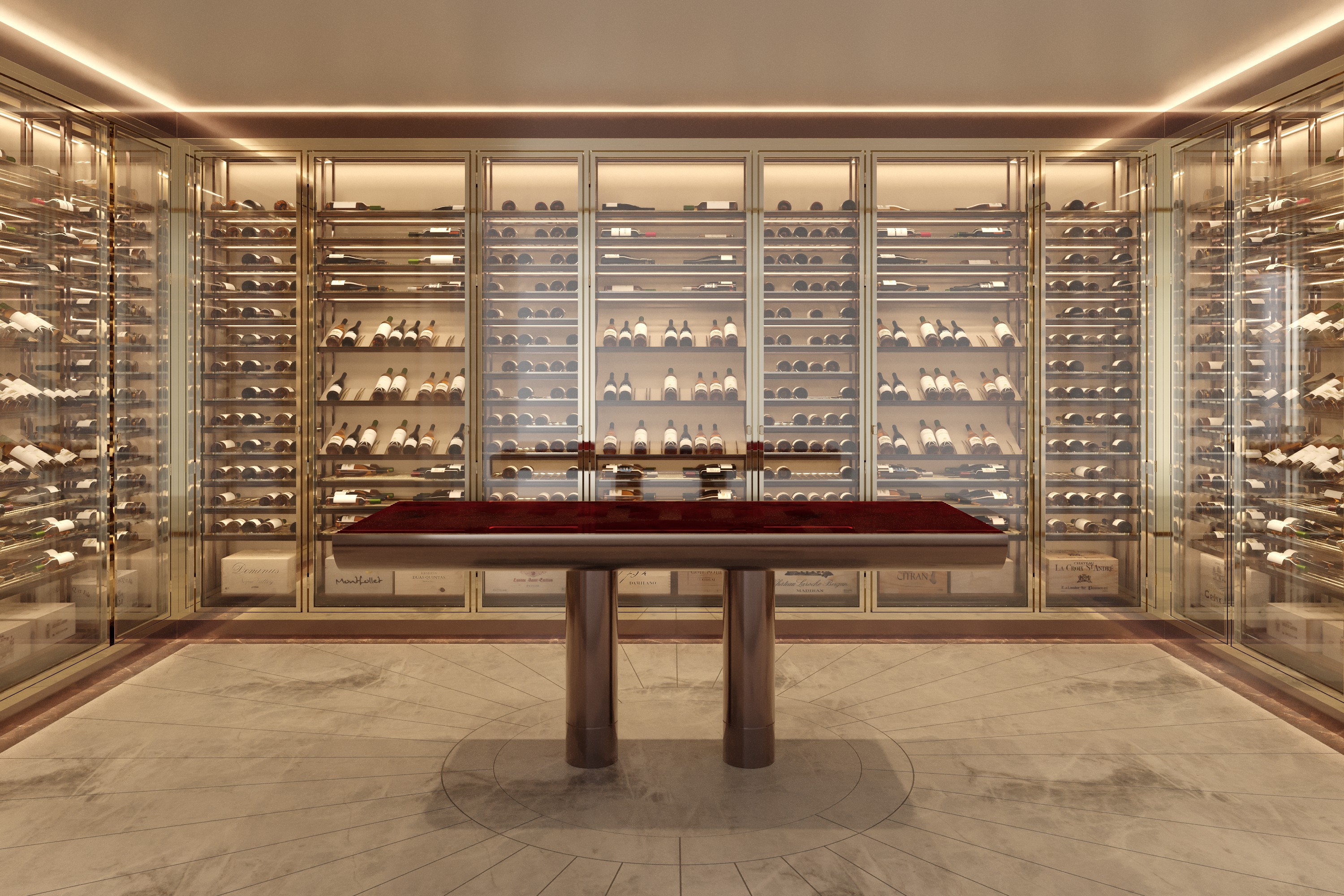
An aging cellar is designed for aging.
Its role is to maintain stable conditions over several years, without regular intervention.
It is based on a few simple principles:
constant temperature
controlled humidity
few openings
minimal exposure to external variations
👉 It is aimed at enthusiasts who buy in advance, sometimes at the vineyard or en primeur, with a heritage logic.
To visualize how these logics translate into real arrangements, you can browse the projects.
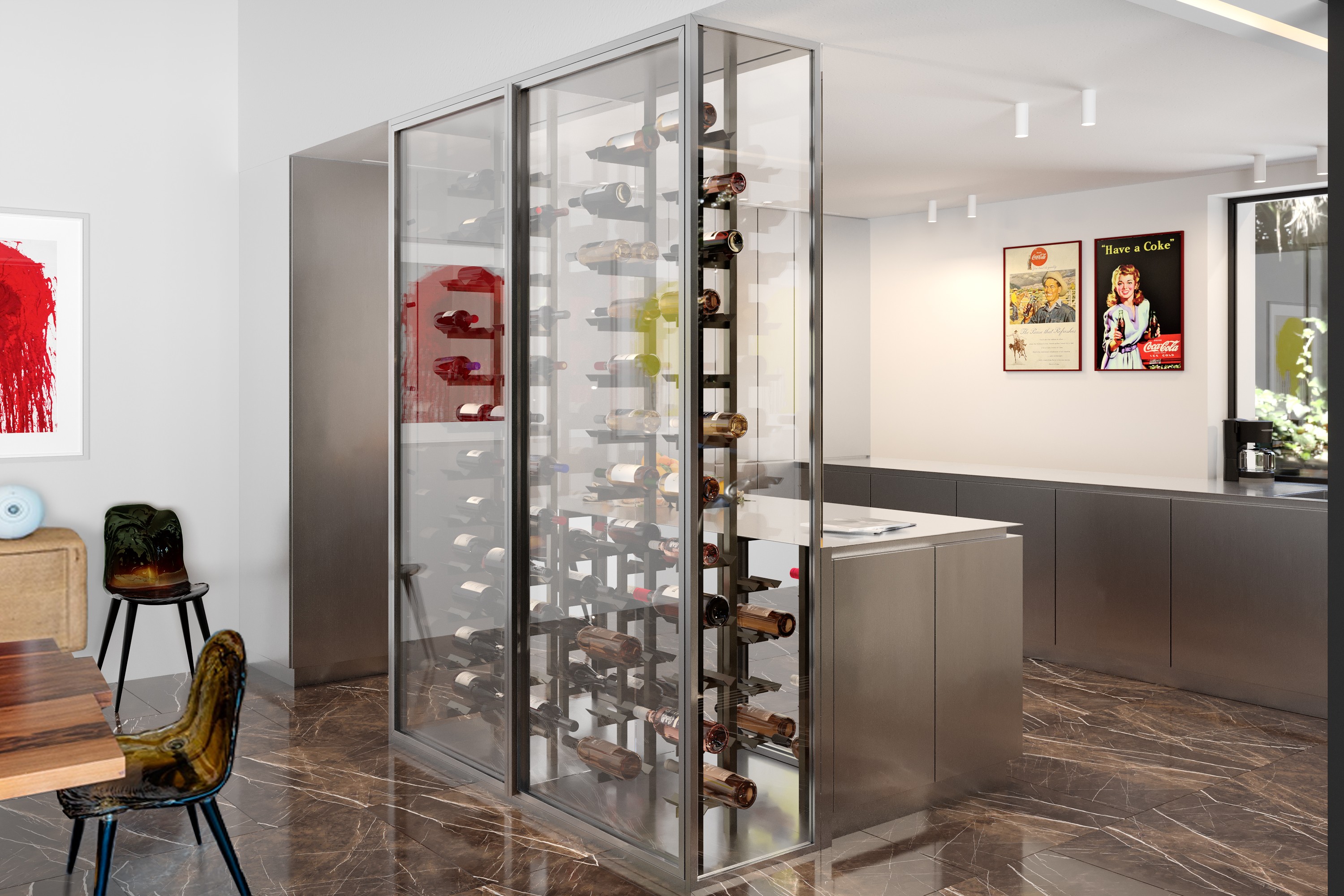
A service cellar is focused on everyday use.
It allows wines to be ready to drink, at the right temperature, without anticipation.
It is distinguished by:
multiple temperature zones
frequent access
close proximity to living spaces
a logic of bottle rotation
👉 It is aimed at those who taste regularly and entertain often.
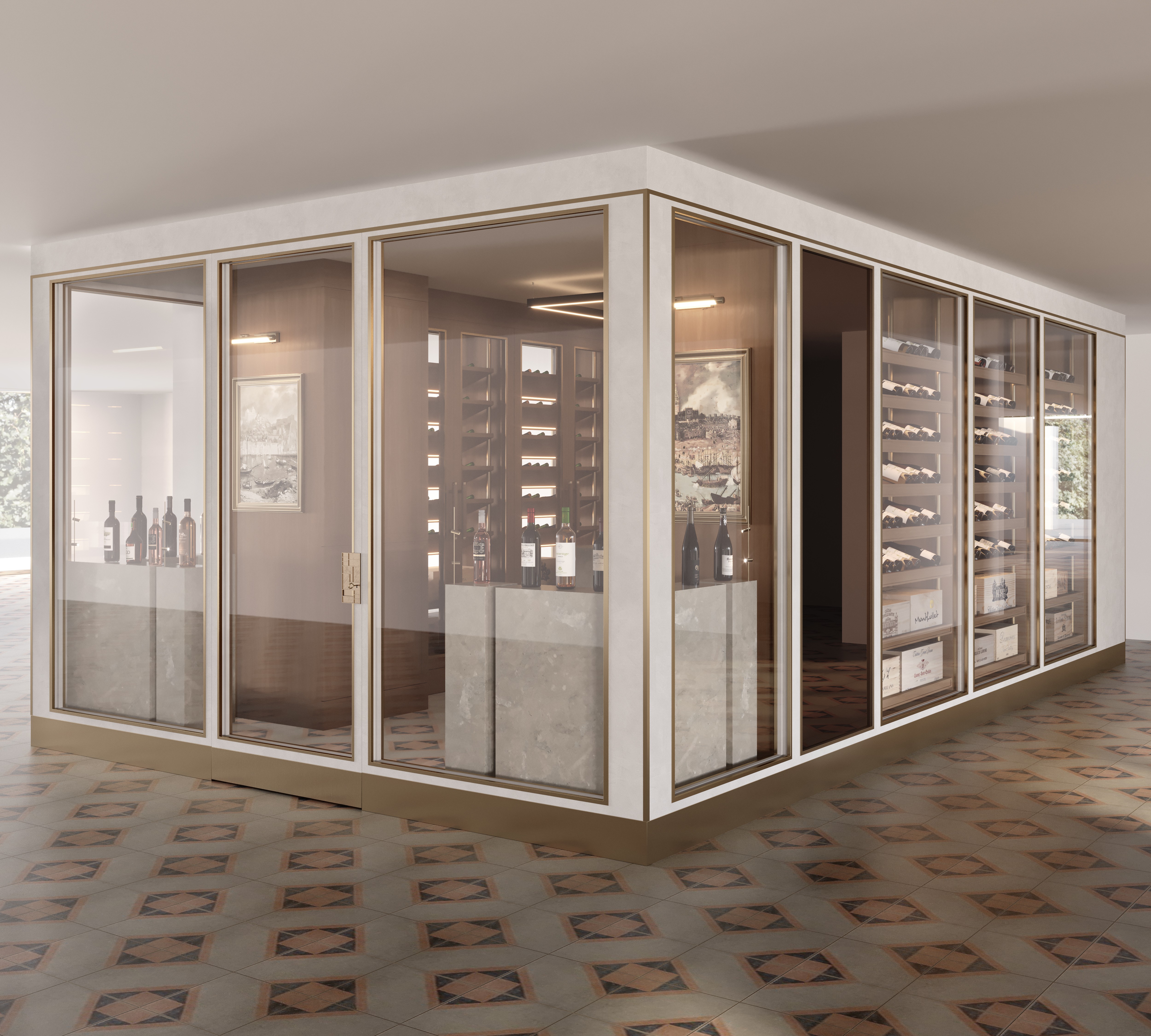
The right choice is almost never purely technical.
It is behavioral.
If you open a few bottles per month, an aging cellar is often a priority.
If you taste multiple times a week, a service cellar quickly becomes essential.
👉 The higher the frequency, the more the cellar should be thought of as a tool for daily use.
Entertaining changes everything.
An impromptu dinner, a drink with friends, or a family meal requires a cellar capable of serving different wines, immediately.
In contrast, a cellar solely dedicated to aging requires constant organization and anticipation.
Your purchasing method directly conditions the type of cellar needed.
bulk purchases, from the producer or en primeur → aging logic
occasional purchases, as the mood strikes → service logic
A gap between purchase and usage is one of the most common causes of dissatisfaction.
Needs vary greatly depending on the wines consumed:
aging reds
dry whites
champagnes
more fragile wines
This is where the question of multi-temperature becomes central, and a standard approach quickly shows its limits.
To understand how to translate these uses into design, the know-how page is a good starting point.
Here is a simple and concrete reading to position yourself.
Criterion | Aging cellar | Service cellar | Mixed cellar |
|---|---|---|---|
Tasting frequency | Low | High | Mixed |
Receiving | Rare | Frequent | Regular |
Wine horizon | Long term | Short term | Short + long |
Temperatures | Unique | Multiple | Distinct zones |
Daily use | Low | High | Balanced |
👉 In reality, the mixed cellar is often the most coherent answer.
Many enthusiasts do not fit into pure aging nor exclusive service.
The mixed cellar allows:
to retain part of the collection in the long term
to serve without constraint on a daily basis
to anticipate the evolution of your habits over time
👉 It is also the most relevant configuration in a custom project, as it adapts to your real lifestyle.
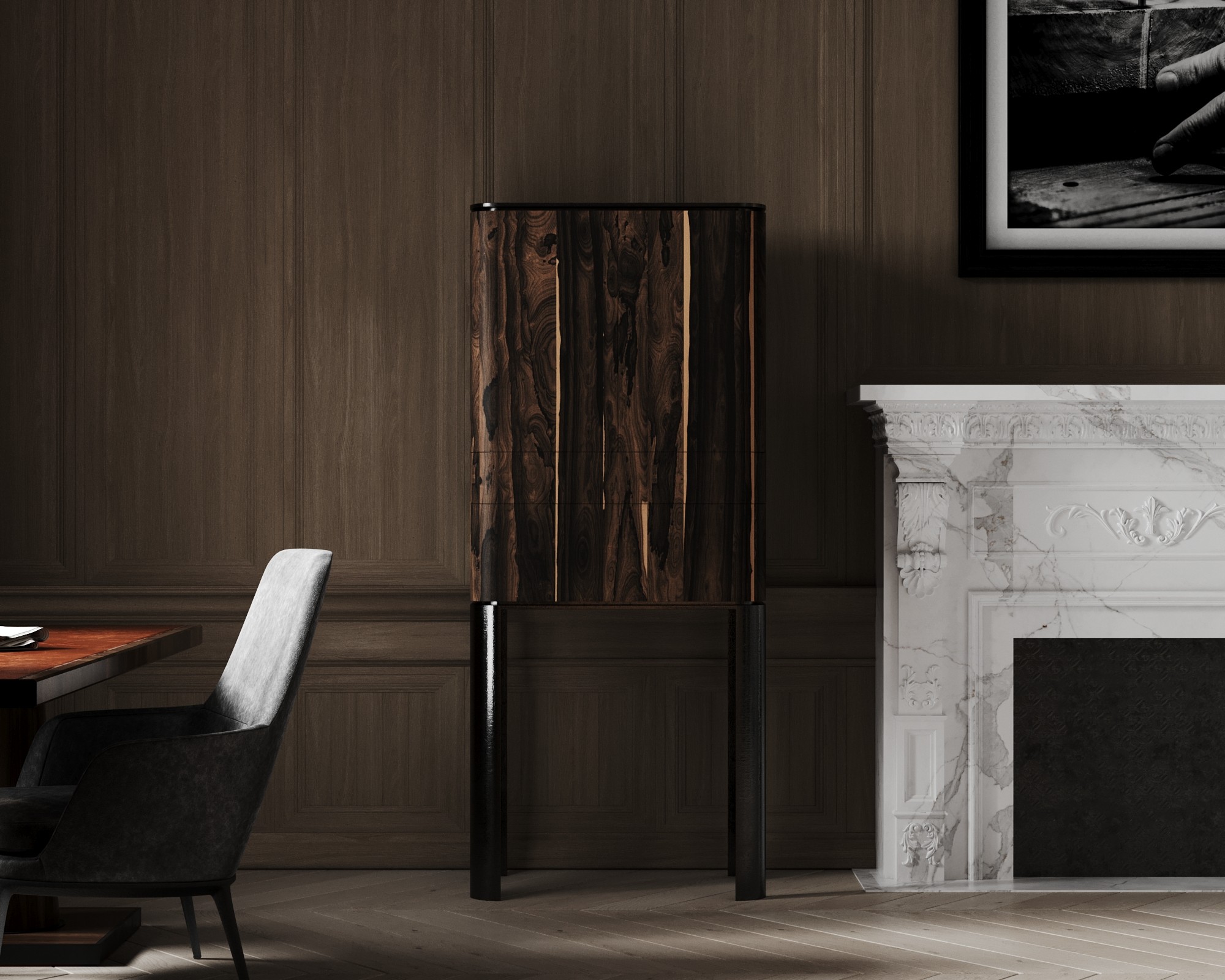
A standard cellar imposes a usage.
A custom cellar adapts to your life.
Custom allows:
to adjust volumes to your actual collection
to precisely define temperature zones
to integrate the cellar into the existing architecture
to anticipate the evolution of your uses
This is exactly what Maison Borio details in its services.
Certain mistakes occur systematically:
choosing an aging cellar when one drinks often
multiplying temperature zones without real need
undersizing the space due to lack of foresight
separating aging and service without a logic of use
👉 These mistakes are costly and difficult to correct after installation.
Choosing between aging cellar and service cellar is not a theoretical debate.
It is a question of lifestyle, habits, and projection.
If chosen poorly, the type of cellar becomes a constraint.
If well thought out, it supports your tastings, your receptions, and the evolution of your collection.
That is precisely why a wine cellar project deserves the support of a qualified provider, capable of translating your daily life into a sustainable solution. To discuss this, you can go to the contact.
In some cases yes, but the initial design often limits possibilities. Anticipation remains the best option.
No. It simply caters to a different usage. Quality depends on the design, not the type.
No. It all depends on the types of wines consumed and the frequency of tasting.
Not necessarily, if the volumes and uses are well defined from the start.
By analyzing your habits over several years, not just in the moment.
Château de Berne – Difference between service cellar / aging cellar: https://chateauberne-vin.com/blogs/news/difference-cave-service-cave-vieillissement
AVEINE – Differences between service wine cellar and aging cellar (2024): https://www.aveine.com/fr/pages/differences-cave-vin
EuroCave – How to properly choose your wine cellar: https://www.eurocave.fr/fr/les-conseils-d-expert-eurocave/comment-choisir-sa-cave-a-vin
Oeni – How to properly choose your electric wine cellar – Complete guide (2023): https://oeni.app/comment-bien-choisir-sa-cave-a-vin-electrique-guide-complet/
Wine Cellars France – What temperature for a wine cellar (2024): https://cave-a-vin-france.com/blogs/blog/quel-temperature-pour-une-cave-a-vin
Schmidt – How to choose your wine cellar: types, dimensions, and installation (2023): https://blog.home-design.schmidt/nos-guides-conseils/choisir-cave-vin-types-dimensions-pose/
Choosing between an aging cellar and a service cellar is not a question of wine, but of lifestyle.
How often do you taste? Do you entertain often? Do you buy to store or to drink? Behind these simple questions lies a structural choice that conditions the actual use of your cellar on a daily basis.
A custom wine cellar only makes sense if it corresponds to your habits.
Otherwise, it quickly becomes a constraint: bottles never at the right temperature, poorly used space, a collection that does not age as expected.
It is precisely to avoid these mistakes that Maison Borio designs cellars based on real usage, rather than a standard model. You can discover the agency's global approach on Maison Borio.
The two are often confused. However, their objectives are fundamentally different. It is possible to do both, as seen in the Paris / Place de Mexico project that we recently implemented.
An aging cellar is designed for aging.
Its role is to maintain stable conditions over several years, without regular intervention.
It is based on a few simple principles:
constant temperature
controlled humidity
few openings
minimal exposure to external variations
👉 It is aimed at enthusiasts who buy in advance, sometimes at the vineyard or en primeur, with a heritage logic.
To visualize how these logics translate into real arrangements, you can browse the projects.
A service cellar is focused on everyday use.
It allows wines to be ready to drink, at the right temperature, without anticipation.
It is distinguished by:
multiple temperature zones
frequent access
close proximity to living spaces
a logic of bottle rotation
👉 It is aimed at those who taste regularly and entertain often.
The right choice is almost never purely technical.
It is behavioral.
If you open a few bottles per month, an aging cellar is often a priority.
If you taste multiple times a week, a service cellar quickly becomes essential.
👉 The higher the frequency, the more the cellar should be thought of as a tool for daily use.
Entertaining changes everything.
An impromptu dinner, a drink with friends, or a family meal requires a cellar capable of serving different wines, immediately.
In contrast, a cellar solely dedicated to aging requires constant organization and anticipation.
Your purchasing method directly conditions the type of cellar needed.
bulk purchases, from the producer or en primeur → aging logic
occasional purchases, as the mood strikes → service logic
A gap between purchase and usage is one of the most common causes of dissatisfaction.
Needs vary greatly depending on the wines consumed:
aging reds
dry whites
champagnes
more fragile wines
This is where the question of multi-temperature becomes central, and a standard approach quickly shows its limits.
To understand how to translate these uses into design, the know-how page is a good starting point.
Here is a simple and concrete reading to position yourself.
Criterion | Aging cellar | Service cellar | Mixed cellar |
|---|---|---|---|
Tasting frequency | Low | High | Mixed |
Receiving | Rare | Frequent | Regular |
Wine horizon | Long term | Short term | Short + long |
Temperatures | Unique | Multiple | Distinct zones |
Daily use | Low | High | Balanced |
👉 In reality, the mixed cellar is often the most coherent answer.
Many enthusiasts do not fit into pure aging nor exclusive service.
The mixed cellar allows:
to retain part of the collection in the long term
to serve without constraint on a daily basis
to anticipate the evolution of your habits over time
👉 It is also the most relevant configuration in a custom project, as it adapts to your real lifestyle.
A standard cellar imposes a usage.
A custom cellar adapts to your life.
Custom allows:
to adjust volumes to your actual collection
to precisely define temperature zones
to integrate the cellar into the existing architecture
to anticipate the evolution of your uses
This is exactly what Maison Borio details in its services.
Certain mistakes occur systematically:
choosing an aging cellar when one drinks often
multiplying temperature zones without real need
undersizing the space due to lack of foresight
separating aging and service without a logic of use
👉 These mistakes are costly and difficult to correct after installation.
Choosing between aging cellar and service cellar is not a theoretical debate.
It is a question of lifestyle, habits, and projection.
If chosen poorly, the type of cellar becomes a constraint.
If well thought out, it supports your tastings, your receptions, and the evolution of your collection.
That is precisely why a wine cellar project deserves the support of a qualified provider, capable of translating your daily life into a sustainable solution. To discuss this, you can go to the contact.
In some cases yes, but the initial design often limits possibilities. Anticipation remains the best option.
No. It simply caters to a different usage. Quality depends on the design, not the type.
No. It all depends on the types of wines consumed and the frequency of tasting.
Not necessarily, if the volumes and uses are well defined from the start.
By analyzing your habits over several years, not just in the moment.
Château de Berne – Difference between service cellar / aging cellar: https://chateauberne-vin.com/blogs/news/difference-cave-service-cave-vieillissement
AVEINE – Differences between service wine cellar and aging cellar (2024): https://www.aveine.com/fr/pages/differences-cave-vin
EuroCave – How to properly choose your wine cellar: https://www.eurocave.fr/fr/les-conseils-d-expert-eurocave/comment-choisir-sa-cave-a-vin
Oeni – How to properly choose your electric wine cellar – Complete guide (2023): https://oeni.app/comment-bien-choisir-sa-cave-a-vin-electrique-guide-complet/
Wine Cellars France – What temperature for a wine cellar (2024): https://cave-a-vin-france.com/blogs/blog/quel-temperature-pour-une-cave-a-vin
Schmidt – How to choose your wine cellar: types, dimensions, and installation (2023): https://blog.home-design.schmidt/nos-guides-conseils/choisir-cave-vin-types-dimensions-pose/
Each month, receive by email our artisan portraits, case studies, and inspirations.
No spam. You can unsubscribe at any time.
You want to design a high-end custom wine cellar. Our teams support you with discretion and rigor, from reflection to the realization of your project. To start a personalized exchange, contact us.
Request a personalized study
contact@maisonborio.com

Terms of Service
Personal data and cookies
Cookie settings
Each month, receive by email our artisan portraits, case studies, and inspirations.
No spam. You can unsubscribe at any time.
You want to design a high-end custom wine cellar. Our teams support you with discretion and rigor, from reflection to the realization of your project. To start a personalized exchange, contact us.
Request a personalized study
contact@maisonborio.com
Terms of Service
Personal data and cookies
Cookie settings