Wine cellar in restaurants: 5 levers to boost your sales
In a restaurant, the wine cellar is not just a technical piece of equipment: it is a lever for margin, image, and customer experience. Here are 5 concrete reasons to invest to increase your sales.
Why the wine cellar is a strategic tool in catering
In a restaurant, wine represents 25-35% of the beverage revenue according to Milliet (2025) and up to 40% in gourmet dining (Goguette, 2025). With 221,521 CHR establishments in France, it influences the average ticket, customer experience, and overall profitability. Yet, many establishments still treat the cellar as a simple storage space. A well-designed professional wine cellar impacts:
the perception of the place
the rotation of bottles
by-the-glass sales
the valuation of premium references
Thus, the investment is not merely technical. It is commercial.
1. Create a visual impact that stimulates ordering
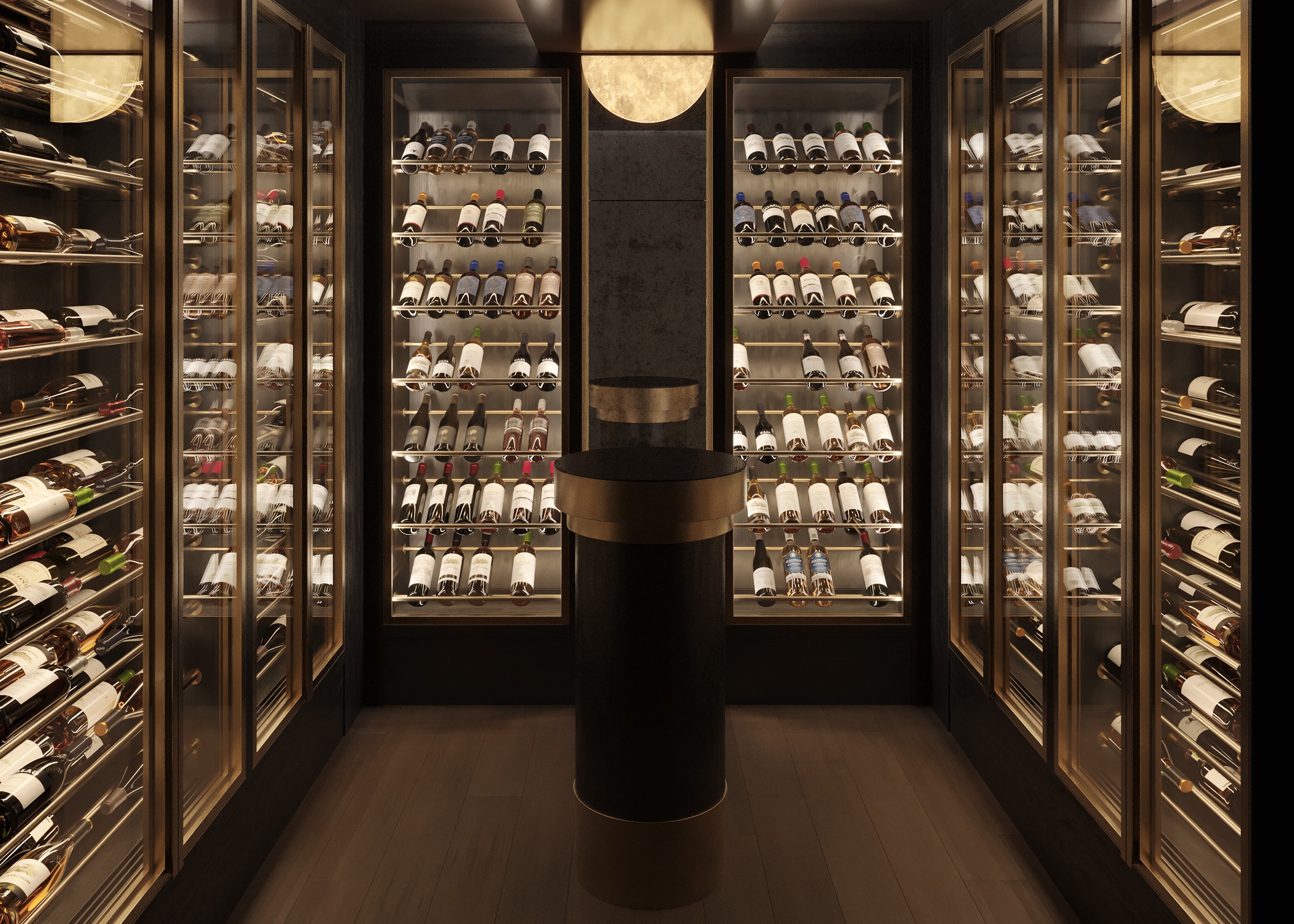
A visible cellar acts as a purchase trigger. Wine showcases with 1 to 4 glass sides, when integrated into the dining area, become a strong scenographic element. According to professional feedback (SEREC, 2025), the cellar constitutes:
an aesthetic asset
a visual reference
a credibility element
A customer who sees the bottles is more inclined to take an interest. The cellar becomes a tool for silent suggestion. In some gourmet establishments, wine can represent more than a quarter of beverage sales. Making it visible means directly exposing a source of margin.
2. Increase the average ticket with by-the-glass service
A service cellar allows for offering wines at the ideal temperature, ready to be served immediately. By-the-glass service:
facilitates upselling
encourages discovery
increases rotation
Offering a premium wine by the glass is easier when the temperature is perfectly controlled. According to Goguette (2025), serving temperatures range from 8 °C for some whites and 16-18 °C for structured reds. Without suitable equipment, this precision is hard to guarantee. A well-calibrated multi-temperature cellar makes this possible without complicating the organization.
3. Optimize stock management and margin
A professional cellar improves the visibility of stocks. This allows for:
better rotation (80% of customers consider service temperature crucial for the overall rating (iDealwine 2024))
tracking references
limiting losses
Performance indicators in the catering industry show that precise stock management directly influences profitability (Gostan, 2025). Average wine coefficient in catering: 3.2 to 3.8. Optimized rotation improves the gross margin by +12% (L'Hôtellerie Restauration).
Slightly lowering this coefficient can increase the volume sold and improve price perception, all while maintaining a healthy overall margin through faster rotation. Here is a summary:
Effect
Quantified Impact
Commercial Impact
Source
Visible cellar
+30% wine sales
Increased customer interest
SEREC 2025
By-the-glass service
Average ticket +18%
Increase in average ticket
Gostan 2025
Stock rotation
x3 flow speed
Better rotation
2051
Premium wines
Gross margin +22%
Valuation of premium wines
Goguette
Premium image
Loyalty +27%
Reinforced brand image
SEREC
4. Ensure impeccable preservation
Poorly preserved wine is unsellable. A professional cellar must ensure:
thermal stability
controlled humidity
absence of vibrations
temperature suitable for service
Specialized guides remind us that correct temperature setting is essential to express the aromatic potential of wine. A wine served at 20 °C instead of 16 °C or a white at 4 °C instead of 10 °C can degrade the customer experience and alter qualitative perception. Preservation directly conditions the perceived value of the bottle.
5. Strengthen the brand image and premium positioning
A well-integrated wine cellar in the dining area contributes to the identity of the restaurant. It signals:
a serious selection
attention to detail
a committed wine culture
In a gourmet or bistronomic establishment, wine can represent a strategic part of beverage revenue. The cellar then becomes a discreet yet powerful marketing argument. It reassures the customer about the overall quality of the place. CHR context 2025: Wine market -3.6% volume but +4.2% value (upselling). Non-alcoholic wine: +22% growth.
Why technique conditions performance
Investing in a cellar is not just about buying equipment. One must anticipate:
refrigeration power
heat dissipation
electric arrivals
in-room placement
acoustic management
A poorly sized cellar leads to:
energy overconsumption
noise
thermal instability
At Maison Borio, CHR projects are designed by integrating both technical performance and scenography.
You can discover our services or consult our projects to understand this approach.
Key Takeaways
A visible cellar stimulates ordering
By-the-glass service increases average ticket
Stock management directly influences margin
Preservation conditions perceived quality
Premium image promotes loyalty
Conclusion
Investing in a professional wine cellar is not a decorative luxury. It is a concrete lever for commercial performance. When wine can represent up to 30% of your beverage revenue, its treatment cannot be secondary. Well-thought-out, the cellar influences:
sales
margin
customer experience
brand image
In a competitive market, every detail counts. The wine cellar can become a sustainable strategic advantage. ROI for a professional cellar: 18-24 months in 85% of cases. When wine = 30% beverage revenue, the cellar becomes a priority strategic lever. To explore an integration suited to your establishment, you can contact us via the contact page.
FAQ – Wine Cellar and Commercial Performance
Does a visible cellar really increase sales?
Yes. It stimulates customer interest and facilitates suggestion, particularly for premium wines.
Is a multi-temperature cellar necessary in restaurants?
It is highly recommended if you offer both by-the-glass wines and aging references.
Does a professional cellar reduce losses?
Yes, thanks to better stock management and stable preservation.
Can a wine cellar be installed in a room without noise disturbance?
Yes, provided that the system is correctly sized and acoustic considerations are anticipated.
Is the cellar a profitable investment?
Yes, if it is conceived as a commercial tool and not just as a piece of furniture.
Sources
SEREC
Wine cellars in a restaurant: an aesthetic, practical, and profitable asset
Why the wine cellar is a strategic tool in catering
In a restaurant, wine represents 25-35% of the beverage revenue according to Milliet (2025) and up to 40% in gourmet dining (Goguette, 2025). With 221,521 CHR establishments in France, it influences the average ticket, customer experience, and overall profitability. Yet, many establishments still treat the cellar as a simple storage space. A well-designed professional wine cellar impacts:
the perception of the place
the rotation of bottles
by-the-glass sales
the valuation of premium references
Thus, the investment is not merely technical. It is commercial.
1. Create a visual impact that stimulates ordering
A visible cellar acts as a purchase trigger. Wine showcases with 1 to 4 glass sides, when integrated into the dining area, become a strong scenographic element. According to professional feedback (SEREC, 2025), the cellar constitutes:
an aesthetic asset
a visual reference
a credibility element
A customer who sees the bottles is more inclined to take an interest. The cellar becomes a tool for silent suggestion. In some gourmet establishments, wine can represent more than a quarter of beverage sales. Making it visible means directly exposing a source of margin.
2. Increase the average ticket with by-the-glass service
A service cellar allows for offering wines at the ideal temperature, ready to be served immediately. By-the-glass service:
facilitates upselling
encourages discovery
increases rotation
Offering a premium wine by the glass is easier when the temperature is perfectly controlled. According to Goguette (2025), serving temperatures range from 8 °C for some whites and 16-18 °C for structured reds. Without suitable equipment, this precision is hard to guarantee. A well-calibrated multi-temperature cellar makes this possible without complicating the organization.
3. Optimize stock management and margin
A professional cellar improves the visibility of stocks. This allows for:
better rotation (80% of customers consider service temperature crucial for the overall rating (iDealwine 2024))
tracking references
limiting losses
Performance indicators in the catering industry show that precise stock management directly influences profitability (Gostan, 2025). Average wine coefficient in catering: 3.2 to 3.8. Optimized rotation improves the gross margin by +12% (L'Hôtellerie Restauration).
Slightly lowering this coefficient can increase the volume sold and improve price perception, all while maintaining a healthy overall margin through faster rotation. Here is a summary:
Effect
Quantified Impact
Commercial Impact
Source
Visible cellar
+30% wine sales
Increased customer interest
SEREC 2025
By-the-glass service
Average ticket +18%
Increase in average ticket
Gostan 2025
Stock rotation
x3 flow speed
Better rotation
2051
Premium wines
Gross margin +22%
Valuation of premium wines
Goguette
Premium image
Loyalty +27%
Reinforced brand image
SEREC
4. Ensure impeccable preservation
Poorly preserved wine is unsellable. A professional cellar must ensure:
thermal stability
controlled humidity
absence of vibrations
temperature suitable for service
Specialized guides remind us that correct temperature setting is essential to express the aromatic potential of wine. A wine served at 20 °C instead of 16 °C or a white at 4 °C instead of 10 °C can degrade the customer experience and alter qualitative perception. Preservation directly conditions the perceived value of the bottle.
5. Strengthen the brand image and premium positioning
A well-integrated wine cellar in the dining area contributes to the identity of the restaurant. It signals:
a serious selection
attention to detail
a committed wine culture
In a gourmet or bistronomic establishment, wine can represent a strategic part of beverage revenue. The cellar then becomes a discreet yet powerful marketing argument. It reassures the customer about the overall quality of the place. CHR context 2025: Wine market -3.6% volume but +4.2% value (upselling). Non-alcoholic wine: +22% growth.
Why technique conditions performance
Investing in a cellar is not just about buying equipment. One must anticipate:
refrigeration power
heat dissipation
electric arrivals
in-room placement
acoustic management
A poorly sized cellar leads to:
energy overconsumption
noise
thermal instability
At Maison Borio, CHR projects are designed by integrating both technical performance and scenography.
You can discover our services or consult our projects to understand this approach.
Key Takeaways
A visible cellar stimulates ordering
By-the-glass service increases average ticket
Stock management directly influences margin
Preservation conditions perceived quality
Premium image promotes loyalty
Conclusion
Investing in a professional wine cellar is not a decorative luxury. It is a concrete lever for commercial performance. When wine can represent up to 30% of your beverage revenue, its treatment cannot be secondary. Well-thought-out, the cellar influences:
sales
margin
customer experience
brand image
In a competitive market, every detail counts. The wine cellar can become a sustainable strategic advantage. ROI for a professional cellar: 18-24 months in 85% of cases. When wine = 30% beverage revenue, the cellar becomes a priority strategic lever. To explore an integration suited to your establishment, you can contact us via the contact page.
FAQ – Wine Cellar and Commercial Performance
Does a visible cellar really increase sales?
Yes. It stimulates customer interest and facilitates suggestion, particularly for premium wines.
Is a multi-temperature cellar necessary in restaurants?
It is highly recommended if you offer both by-the-glass wines and aging references.
Does a professional cellar reduce losses?
Yes, thanks to better stock management and stable preservation.
Can a wine cellar be installed in a room without noise disturbance?
Yes, provided that the system is correctly sized and acoustic considerations are anticipated.
Is the cellar a profitable investment?
Yes, if it is conceived as a commercial tool and not just as a piece of furniture.
Sources
SEREC
Wine cellars in a restaurant: an aesthetic, practical, and profitable asset
Why the wine cellar is a strategic tool in catering
In a restaurant, wine represents 25-35% of the beverage revenue according to Milliet (2025) and up to 40% in gourmet dining (Goguette, 2025). With 221,521 CHR establishments in France, it influences the average ticket, customer experience, and overall profitability. Yet, many establishments still treat the cellar as a simple storage space. A well-designed professional wine cellar impacts:
the perception of the place
the rotation of bottles
by-the-glass sales
the valuation of premium references
Thus, the investment is not merely technical. It is commercial.
1. Create a visual impact that stimulates ordering
A visible cellar acts as a purchase trigger. Wine showcases with 1 to 4 glass sides, when integrated into the dining area, become a strong scenographic element. According to professional feedback (SEREC, 2025), the cellar constitutes:
an aesthetic asset
a visual reference
a credibility element
A customer who sees the bottles is more inclined to take an interest. The cellar becomes a tool for silent suggestion. In some gourmet establishments, wine can represent more than a quarter of beverage sales. Making it visible means directly exposing a source of margin.
2. Increase the average ticket with by-the-glass service
A service cellar allows for offering wines at the ideal temperature, ready to be served immediately. By-the-glass service:
facilitates upselling
encourages discovery
increases rotation
Offering a premium wine by the glass is easier when the temperature is perfectly controlled. According to Goguette (2025), serving temperatures range from 8 °C for some whites and 16-18 °C for structured reds. Without suitable equipment, this precision is hard to guarantee. A well-calibrated multi-temperature cellar makes this possible without complicating the organization.
3. Optimize stock management and margin
A professional cellar improves the visibility of stocks. This allows for:
better rotation (80% of customers consider service temperature crucial for the overall rating (iDealwine 2024))
tracking references
limiting losses
Performance indicators in the catering industry show that precise stock management directly influences profitability (Gostan, 2025). Average wine coefficient in catering: 3.2 to 3.8. Optimized rotation improves the gross margin by +12% (L'Hôtellerie Restauration).
Slightly lowering this coefficient can increase the volume sold and improve price perception, all while maintaining a healthy overall margin through faster rotation. Here is a summary:
Effect
Quantified Impact
Commercial Impact
Source
Visible cellar
+30% wine sales
Increased customer interest
SEREC 2025
By-the-glass service
Average ticket +18%
Increase in average ticket
Gostan 2025
Stock rotation
x3 flow speed
Better rotation
2051
Premium wines
Gross margin +22%
Valuation of premium wines
Goguette
Premium image
Loyalty +27%
Reinforced brand image
SEREC
4. Ensure impeccable preservation
Poorly preserved wine is unsellable. A professional cellar must ensure:
thermal stability
controlled humidity
absence of vibrations
temperature suitable for service
Specialized guides remind us that correct temperature setting is essential to express the aromatic potential of wine. A wine served at 20 °C instead of 16 °C or a white at 4 °C instead of 10 °C can degrade the customer experience and alter qualitative perception. Preservation directly conditions the perceived value of the bottle.
5. Strengthen the brand image and premium positioning
A well-integrated wine cellar in the dining area contributes to the identity of the restaurant. It signals:
a serious selection
attention to detail
a committed wine culture
In a gourmet or bistronomic establishment, wine can represent a strategic part of beverage revenue. The cellar then becomes a discreet yet powerful marketing argument. It reassures the customer about the overall quality of the place. CHR context 2025: Wine market -3.6% volume but +4.2% value (upselling). Non-alcoholic wine: +22% growth.
Why technique conditions performance
Investing in a cellar is not just about buying equipment. One must anticipate:
refrigeration power
heat dissipation
electric arrivals
in-room placement
acoustic management
A poorly sized cellar leads to:
energy overconsumption
noise
thermal instability
At Maison Borio, CHR projects are designed by integrating both technical performance and scenography.
You can discover our services or consult our projects to understand this approach.
Key Takeaways
A visible cellar stimulates ordering
By-the-glass service increases average ticket
Stock management directly influences margin
Preservation conditions perceived quality
Premium image promotes loyalty
Conclusion
Investing in a professional wine cellar is not a decorative luxury. It is a concrete lever for commercial performance. When wine can represent up to 30% of your beverage revenue, its treatment cannot be secondary. Well-thought-out, the cellar influences:
sales
margin
customer experience
brand image
In a competitive market, every detail counts. The wine cellar can become a sustainable strategic advantage. ROI for a professional cellar: 18-24 months in 85% of cases. When wine = 30% beverage revenue, the cellar becomes a priority strategic lever. To explore an integration suited to your establishment, you can contact us via the contact page.
FAQ – Wine Cellar and Commercial Performance
Does a visible cellar really increase sales?
Yes. It stimulates customer interest and facilitates suggestion, particularly for premium wines.
Is a multi-temperature cellar necessary in restaurants?
It is highly recommended if you offer both by-the-glass wines and aging references.
Does a professional cellar reduce losses?
Yes, thanks to better stock management and stable preservation.
Can a wine cellar be installed in a room without noise disturbance?
Yes, provided that the system is correctly sized and acoustic considerations are anticipated.
Is the cellar a profitable investment?
Yes, if it is conceived as a commercial tool and not just as a piece of furniture.
Sources
SEREC
Wine cellars in a restaurant: an aesthetic, practical, and profitable asset
Each month, receive by email our artisan portraits, case studies, and inspirations.
No spam. You can unsubscribe at any time.
Imagine your custom wine cellar
You want to design a high-end custom wine cellar. Our teams support you with discretion and rigor, from reflection to the realization of your project. To start a personalized exchange, contact us.
Request a personalized study
contact@maisonborio.com
Follow us
Every week, we share our case studies and inspirations with you.
Each month, receive by email our artisan portraits, case studies, and inspirations.
No spam. You can unsubscribe at any time.
Imagine your custom wine cellar
You want to design a high-end custom wine cellar. Our teams support you with discretion and rigor, from reflection to the realization of your project. To start a personalized exchange, contact us.
Request a personalized study
contact@maisonborio.com
Follow us
Every week, we share our case studies and inspirations with you.