
5 essential rules for properly storing wine
Temperature, humidity, light, stability, and ventilation: storing wine requires specific conditions. Here are the 5 fundamental rules to follow to ensure optimal aging.
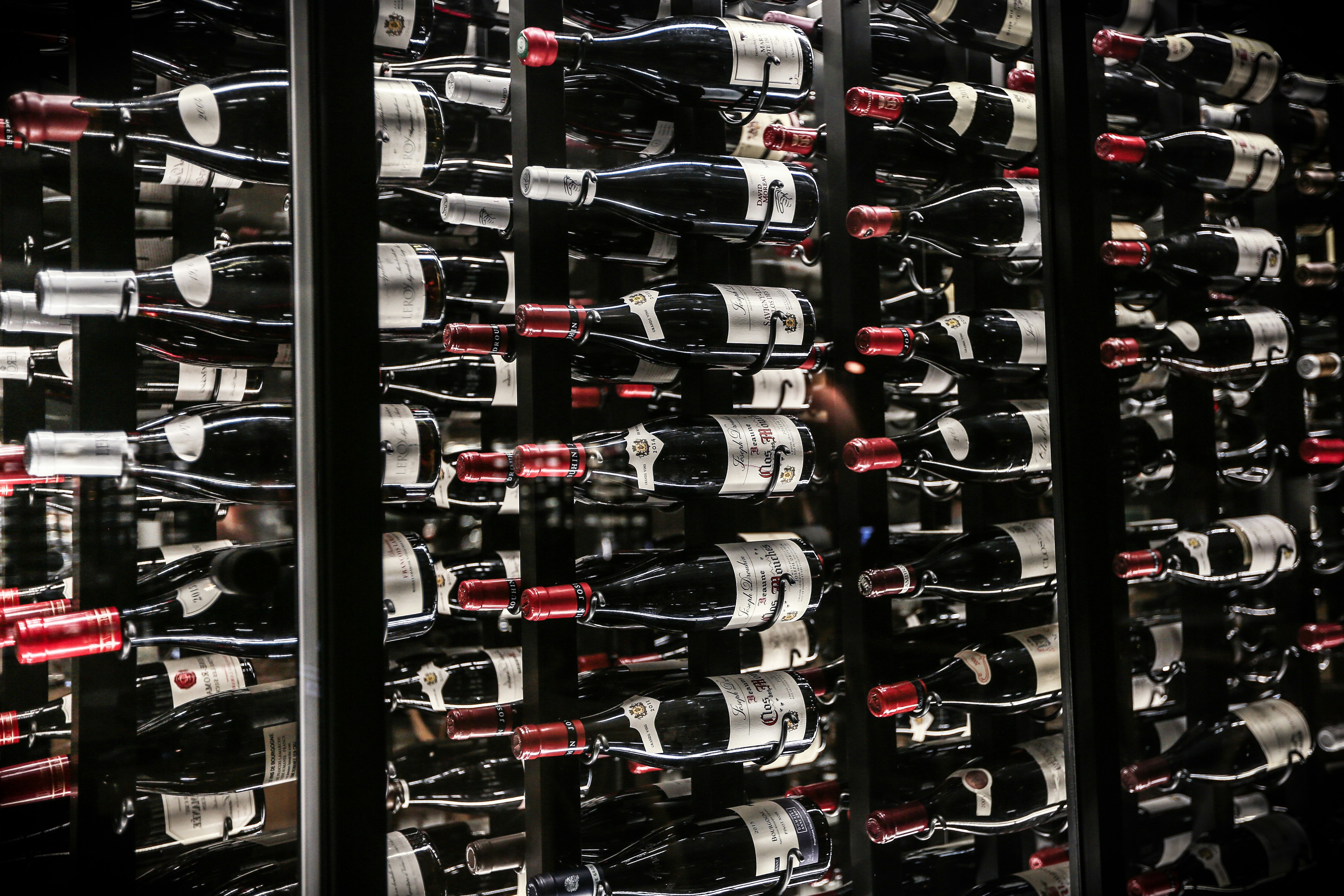
Temperature, humidity, light, stability, and ventilation: storing wine requires specific conditions. Here are the 5 fundamental rules to follow to ensure optimal aging.
12 min read
12 min read
Storing wine is not just about keeping it safe. A wine evolves. It breathes. It reacts to its environment. Unstable temperature, poorly controlled humidity, excessive light, or repeated vibrations can irreversibly alter its aging potential.
Specialized sources converge on one point: stability takes precedence over absolute value.
A high-performing cellar is not the one that displays a perfect number, but the one that guarantees constant conditions over time.
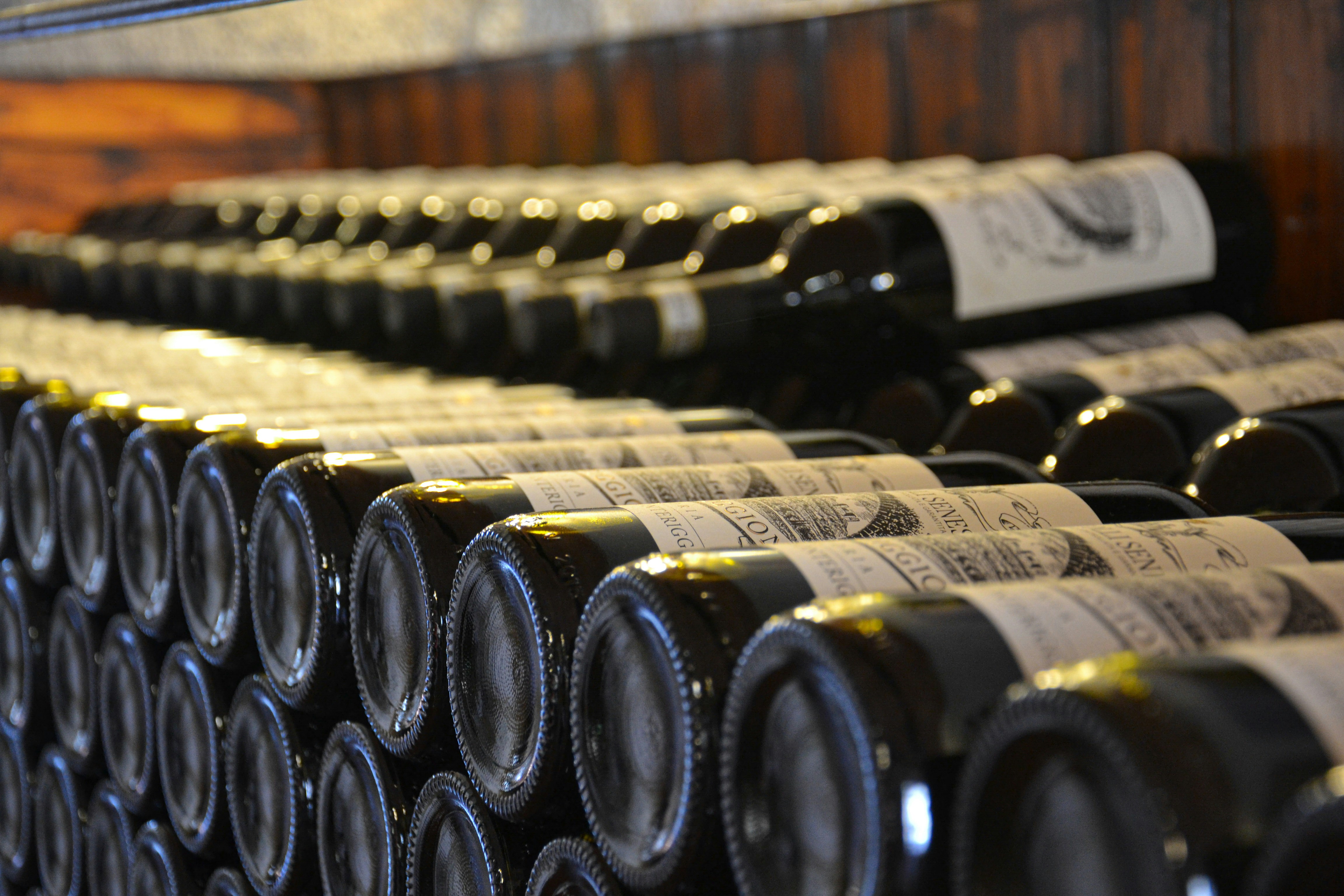
The majority of specialized references recommend a temperature around 12°C for long-term aging. However, as iDealwine reminds us (2024), the myth of the maximum 14°C is not absolute.
What truly matters is the absence of sudden variations. A repeated fluctuation tires the wine much more than a slight controlled deviation.
It is also important to understand that temperature directly influences the speed of wine evolution:
Below 12°C, aging will take longer.
Above 12°C, aging will be accelerated.
The goal is therefore not just to reach a precise number, but to master stability and adapt the temperature to your storage strategy.
A rapid variation causes:
dilation and contraction of the liquid
stress on the cork
micro-oxidations
In the long term, these phenomena weaken the structure of the wine and compromise its aging potential.
A well-designed cellar must integrate:
appropriate thermal regulation
effective insulation
correctly dimensioned refrigeration system
It is this technical coherence that allows for slow, steady, and controlled evolution of your bottles.
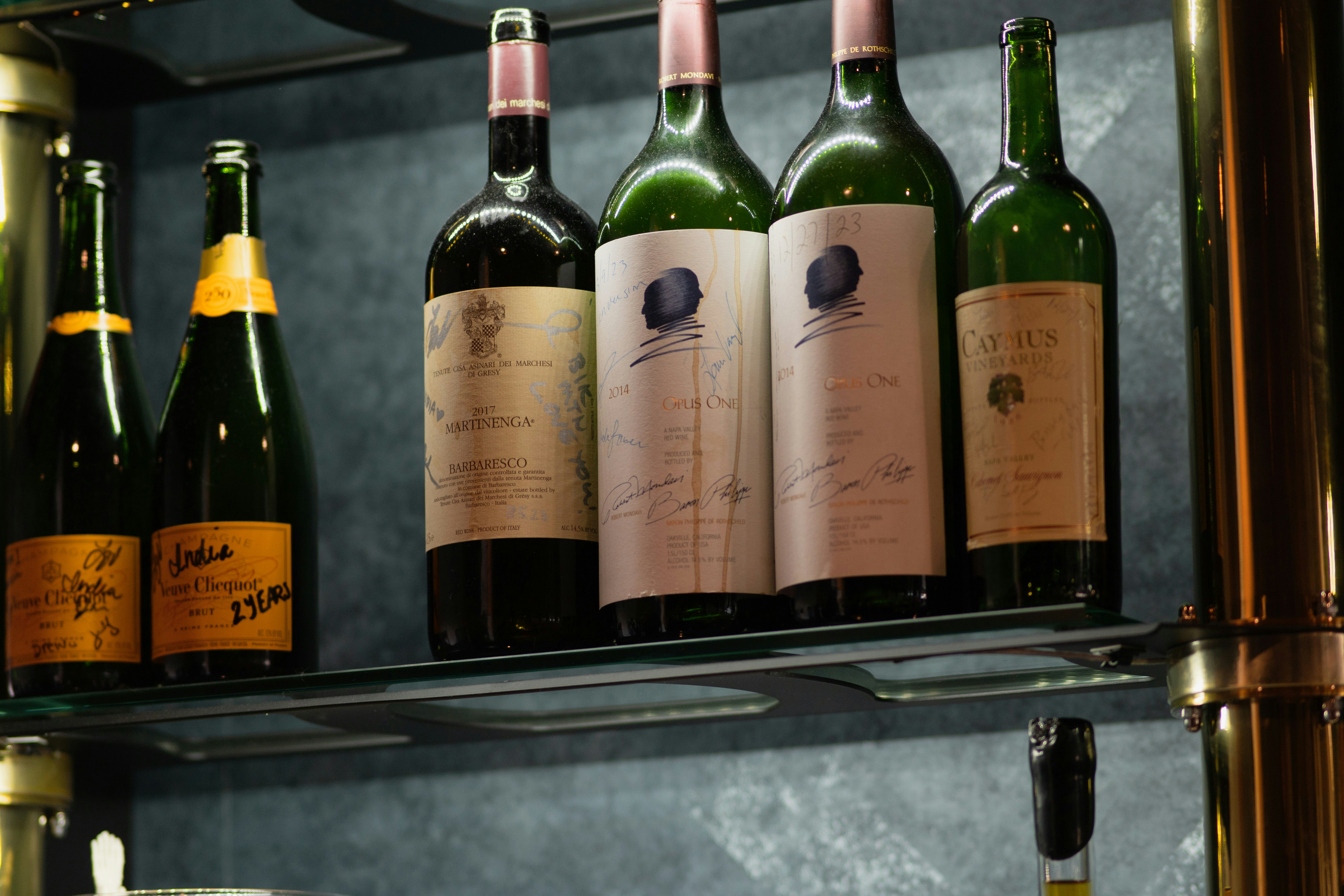
The ideal humidity is generally between 60% and 75%.
Below:
the corks dry out
air permeates
oxidation accelerates
Above:
the labels deteriorate
mold may appear
Humidity plays a crucial role in long-term storage because it determines the elasticity of the cork and therefore the tightness of the bottle.
For very old vintages, it may be appropriate to favor slightly higher humidity to avoid drying out old corks, which are often more fragile.
A custom cellar allows for fine-tuning this parameter based on the nature of the collection. This level of precision is rarely achieved with standardized solutions.
Light, whether natural or artificial, accelerates aging. UV rays degrade aromatic compounds. White and sparkling wines are particularly sensitive to it. That is why:
traditional cellars are underground
glazed cellars require filtering glass
LED lighting must be calibrated
In contemporary projects, lighting design must always remain compatible with storage.
A wine in storage should remain still. Repeated vibrations:
disrupt sedimentation
accelerate certain chemical reactions
Modern electric cellars must integrate:
damped compressor
stable structure
absence of interfering vibrations
This point is often underestimated in residential environments.
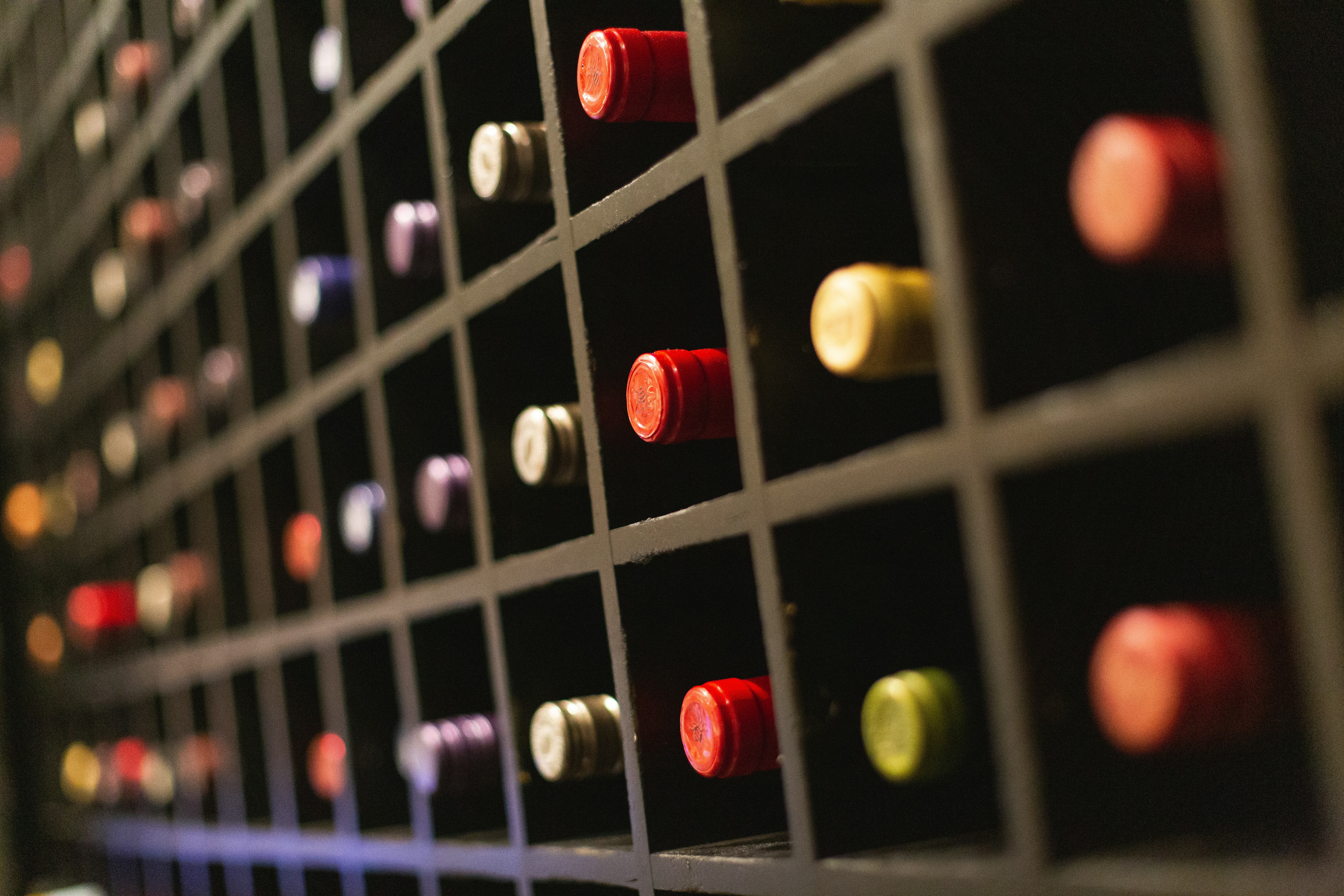
Horizontal storage is recommended for:
keeping the cork in contact with the wine
avoiding its drying out
Some multi-temperature cellars allow differentiation between:
storage area
service area
intermediate area
Here is a succinct recap:
Parameter | Recommendation | Risk if neglected |
|---|---|---|
Temperature | Stable around 12°C | Premature aging |
Humidity | 60–75 % | Oxidation or mold |
Light | Low, without UV | Aromatic alteration |
Vibrations | Minimal | Wine disturbance |
Position | Horizontal | Dry cork |
These principles may seem simple. In reality, their implementation is technical. A high-performing cellar must anticipate:
the sizing of the refrigeration unit
the dissipation of heat
the electrical management
the ventilation
the potential water drainage
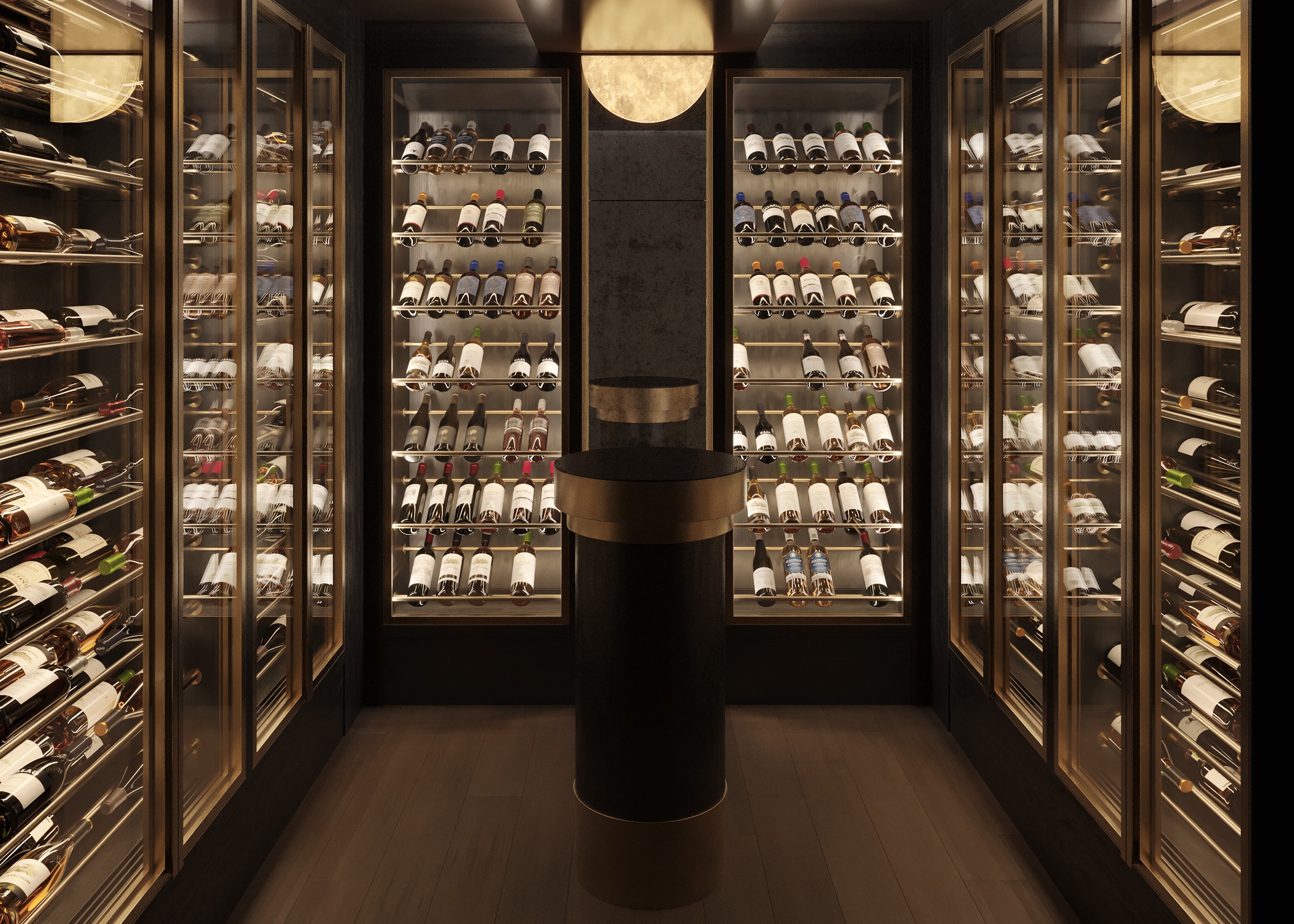
In an architectural project, these elements cannot be added afterward. At Maison Borio, conservation is conceived as an integral architectural component. Whether it is a residential cellar or a CHR project, climate stability is integrated from the design stage. You can consult our expertise or discover our projects.
Stability takes precedence over absolute precision
Humidity is as important as temperature
Light must be controlled
Vibrations are invisible but impactful
An efficient cellar requires a comprehensive technical approach
Properly storing your wine relies on clear rules. Adhering to them requires more than just equipment. The wine cellar is a controlled technical environment. It must be thought of in its entirety. If you want to integrate a cellar into an architectural project or secure the storage conditions of a collection, you can contact us via the contact page.
No. Stability is more important than an exact number. Sudden variations are more damaging than a slight constant deviation.
Between 60% and 75% to preserve the cork without creating excess humidity.
Yes, especially if it emits UV rays. Calibrated LEDs limit this risk.
For long-term aging, it is preferable to store bottles horizontally.
It is useful if you wish to combine storage and service in the same equipment.
AVEINE
How to store wine in a wine cellar
Advice page – 2024
https://www.aveine.com/fr/pages/placer-vin-cave
Ma Cave à Vin
The rules for wine conservation
Specialized blog – 2023
https://blog.ma-cave-a-vin.fr/2019/02/quelles-sont-les-regles-de-conservation-des-vins/
Petit Bouchon
Wine conservation in a cellar
Advice article – recent
https://www.petitbouchon.fr/comment-conserver-vin-dans-cave/
Cave Excellence
The 7 golden rules of wine conservation
Specialized blog – 2022
https://www.cavexcellence.com/conservation-du-vin/7-regles-or/
La Revue du Vin de France
Our 10 tips for properly storing wine
Editorial media – 2022
https://www.larvf.com/,nos-10-conseils-pour-bien-conserver-son-vin,2001118,4298939.asp
iDealwine
To store my wine, my cellar must not exceed 14°C. True or false?
Editorial media – 2024
https://www.idealwine.net/pour-conserver-mon-vin-ma-cave-ne-doit-pas-depasser-14-vrai-ou-faux/
Darty
How to use your wine cellar? Our tips!
Practical guide – 2024
1envie1vin
Temperature of a wine cellar: everything you need to know
Specialized blog – 2023
https://www.1envie1vin.com/blog/guide-vin/temperature-dune-cave-a-vin-tout-savoir/
Cave à Vin France
What temperature for a wine cellar?
E-commerce blog – 2024
https://cave-a-vin-france.com/blogs/blog/quel-temperature-pour-une-cave-a-vin
Storing wine is not just about keeping it safe. A wine evolves. It breathes. It reacts to its environment. Unstable temperature, poorly controlled humidity, excessive light, or repeated vibrations can irreversibly alter its aging potential.
Specialized sources converge on one point: stability takes precedence over absolute value.
A high-performing cellar is not the one that displays a perfect number, but the one that guarantees constant conditions over time.
The majority of specialized references recommend a temperature around 12°C for long-term aging. However, as iDealwine reminds us (2024), the myth of the maximum 14°C is not absolute.
What truly matters is the absence of sudden variations. A repeated fluctuation tires the wine much more than a slight controlled deviation.
It is also important to understand that temperature directly influences the speed of wine evolution:
Below 12°C, aging will take longer.
Above 12°C, aging will be accelerated.
The goal is therefore not just to reach a precise number, but to master stability and adapt the temperature to your storage strategy.
A rapid variation causes:
dilation and contraction of the liquid
stress on the cork
micro-oxidations
In the long term, these phenomena weaken the structure of the wine and compromise its aging potential.
A well-designed cellar must integrate:
appropriate thermal regulation
effective insulation
correctly dimensioned refrigeration system
It is this technical coherence that allows for slow, steady, and controlled evolution of your bottles.
The ideal humidity is generally between 60% and 75%.
Below:
the corks dry out
air permeates
oxidation accelerates
Above:
the labels deteriorate
mold may appear
Humidity plays a crucial role in long-term storage because it determines the elasticity of the cork and therefore the tightness of the bottle.
For very old vintages, it may be appropriate to favor slightly higher humidity to avoid drying out old corks, which are often more fragile.
A custom cellar allows for fine-tuning this parameter based on the nature of the collection. This level of precision is rarely achieved with standardized solutions.
Light, whether natural or artificial, accelerates aging. UV rays degrade aromatic compounds. White and sparkling wines are particularly sensitive to it. That is why:
traditional cellars are underground
glazed cellars require filtering glass
LED lighting must be calibrated
In contemporary projects, lighting design must always remain compatible with storage.
A wine in storage should remain still. Repeated vibrations:
disrupt sedimentation
accelerate certain chemical reactions
Modern electric cellars must integrate:
damped compressor
stable structure
absence of interfering vibrations
This point is often underestimated in residential environments.
Horizontal storage is recommended for:
keeping the cork in contact with the wine
avoiding its drying out
Some multi-temperature cellars allow differentiation between:
storage area
service area
intermediate area
Here is a succinct recap:
Parameter | Recommendation | Risk if neglected |
|---|---|---|
Temperature | Stable around 12°C | Premature aging |
Humidity | 60–75 % | Oxidation or mold |
Light | Low, without UV | Aromatic alteration |
Vibrations | Minimal | Wine disturbance |
Position | Horizontal | Dry cork |
These principles may seem simple. In reality, their implementation is technical. A high-performing cellar must anticipate:
the sizing of the refrigeration unit
the dissipation of heat
the electrical management
the ventilation
the potential water drainage
In an architectural project, these elements cannot be added afterward. At Maison Borio, conservation is conceived as an integral architectural component. Whether it is a residential cellar or a CHR project, climate stability is integrated from the design stage. You can consult our expertise or discover our projects.
Stability takes precedence over absolute precision
Humidity is as important as temperature
Light must be controlled
Vibrations are invisible but impactful
An efficient cellar requires a comprehensive technical approach
Properly storing your wine relies on clear rules. Adhering to them requires more than just equipment. The wine cellar is a controlled technical environment. It must be thought of in its entirety. If you want to integrate a cellar into an architectural project or secure the storage conditions of a collection, you can contact us via the contact page.
No. Stability is more important than an exact number. Sudden variations are more damaging than a slight constant deviation.
Between 60% and 75% to preserve the cork without creating excess humidity.
Yes, especially if it emits UV rays. Calibrated LEDs limit this risk.
For long-term aging, it is preferable to store bottles horizontally.
It is useful if you wish to combine storage and service in the same equipment.
AVEINE
How to store wine in a wine cellar
Advice page – 2024
https://www.aveine.com/fr/pages/placer-vin-cave
Ma Cave à Vin
The rules for wine conservation
Specialized blog – 2023
https://blog.ma-cave-a-vin.fr/2019/02/quelles-sont-les-regles-de-conservation-des-vins/
Petit Bouchon
Wine conservation in a cellar
Advice article – recent
https://www.petitbouchon.fr/comment-conserver-vin-dans-cave/
Cave Excellence
The 7 golden rules of wine conservation
Specialized blog – 2022
https://www.cavexcellence.com/conservation-du-vin/7-regles-or/
La Revue du Vin de France
Our 10 tips for properly storing wine
Editorial media – 2022
https://www.larvf.com/,nos-10-conseils-pour-bien-conserver-son-vin,2001118,4298939.asp
iDealwine
To store my wine, my cellar must not exceed 14°C. True or false?
Editorial media – 2024
https://www.idealwine.net/pour-conserver-mon-vin-ma-cave-ne-doit-pas-depasser-14-vrai-ou-faux/
Darty
How to use your wine cellar? Our tips!
Practical guide – 2024
1envie1vin
Temperature of a wine cellar: everything you need to know
Specialized blog – 2023
https://www.1envie1vin.com/blog/guide-vin/temperature-dune-cave-a-vin-tout-savoir/
Cave à Vin France
What temperature for a wine cellar?
E-commerce blog – 2024
https://cave-a-vin-france.com/blogs/blog/quel-temperature-pour-une-cave-a-vin
Storing wine is not just about keeping it safe. A wine evolves. It breathes. It reacts to its environment. Unstable temperature, poorly controlled humidity, excessive light, or repeated vibrations can irreversibly alter its aging potential.
Specialized sources converge on one point: stability takes precedence over absolute value.
A high-performing cellar is not the one that displays a perfect number, but the one that guarantees constant conditions over time.
The majority of specialized references recommend a temperature around 12°C for long-term aging. However, as iDealwine reminds us (2024), the myth of the maximum 14°C is not absolute.
What truly matters is the absence of sudden variations. A repeated fluctuation tires the wine much more than a slight controlled deviation.
It is also important to understand that temperature directly influences the speed of wine evolution:
Below 12°C, aging will take longer.
Above 12°C, aging will be accelerated.
The goal is therefore not just to reach a precise number, but to master stability and adapt the temperature to your storage strategy.
A rapid variation causes:
dilation and contraction of the liquid
stress on the cork
micro-oxidations
In the long term, these phenomena weaken the structure of the wine and compromise its aging potential.
A well-designed cellar must integrate:
appropriate thermal regulation
effective insulation
correctly dimensioned refrigeration system
It is this technical coherence that allows for slow, steady, and controlled evolution of your bottles.
The ideal humidity is generally between 60% and 75%.
Below:
the corks dry out
air permeates
oxidation accelerates
Above:
the labels deteriorate
mold may appear
Humidity plays a crucial role in long-term storage because it determines the elasticity of the cork and therefore the tightness of the bottle.
For very old vintages, it may be appropriate to favor slightly higher humidity to avoid drying out old corks, which are often more fragile.
A custom cellar allows for fine-tuning this parameter based on the nature of the collection. This level of precision is rarely achieved with standardized solutions.
Light, whether natural or artificial, accelerates aging. UV rays degrade aromatic compounds. White and sparkling wines are particularly sensitive to it. That is why:
traditional cellars are underground
glazed cellars require filtering glass
LED lighting must be calibrated
In contemporary projects, lighting design must always remain compatible with storage.
A wine in storage should remain still. Repeated vibrations:
disrupt sedimentation
accelerate certain chemical reactions
Modern electric cellars must integrate:
damped compressor
stable structure
absence of interfering vibrations
This point is often underestimated in residential environments.
Horizontal storage is recommended for:
keeping the cork in contact with the wine
avoiding its drying out
Some multi-temperature cellars allow differentiation between:
storage area
service area
intermediate area
Here is a succinct recap:
Parameter | Recommendation | Risk if neglected |
|---|---|---|
Temperature | Stable around 12°C | Premature aging |
Humidity | 60–75 % | Oxidation or mold |
Light | Low, without UV | Aromatic alteration |
Vibrations | Minimal | Wine disturbance |
Position | Horizontal | Dry cork |
These principles may seem simple. In reality, their implementation is technical. A high-performing cellar must anticipate:
the sizing of the refrigeration unit
the dissipation of heat
the electrical management
the ventilation
the potential water drainage
In an architectural project, these elements cannot be added afterward. At Maison Borio, conservation is conceived as an integral architectural component. Whether it is a residential cellar or a CHR project, climate stability is integrated from the design stage. You can consult our expertise or discover our projects.
Stability takes precedence over absolute precision
Humidity is as important as temperature
Light must be controlled
Vibrations are invisible but impactful
An efficient cellar requires a comprehensive technical approach
Properly storing your wine relies on clear rules. Adhering to them requires more than just equipment. The wine cellar is a controlled technical environment. It must be thought of in its entirety. If you want to integrate a cellar into an architectural project or secure the storage conditions of a collection, you can contact us via the contact page.
No. Stability is more important than an exact number. Sudden variations are more damaging than a slight constant deviation.
Between 60% and 75% to preserve the cork without creating excess humidity.
Yes, especially if it emits UV rays. Calibrated LEDs limit this risk.
For long-term aging, it is preferable to store bottles horizontally.
It is useful if you wish to combine storage and service in the same equipment.
AVEINE
How to store wine in a wine cellar
Advice page – 2024
https://www.aveine.com/fr/pages/placer-vin-cave
Ma Cave à Vin
The rules for wine conservation
Specialized blog – 2023
https://blog.ma-cave-a-vin.fr/2019/02/quelles-sont-les-regles-de-conservation-des-vins/
Petit Bouchon
Wine conservation in a cellar
Advice article – recent
https://www.petitbouchon.fr/comment-conserver-vin-dans-cave/
Cave Excellence
The 7 golden rules of wine conservation
Specialized blog – 2022
https://www.cavexcellence.com/conservation-du-vin/7-regles-or/
La Revue du Vin de France
Our 10 tips for properly storing wine
Editorial media – 2022
https://www.larvf.com/,nos-10-conseils-pour-bien-conserver-son-vin,2001118,4298939.asp
iDealwine
To store my wine, my cellar must not exceed 14°C. True or false?
Editorial media – 2024
https://www.idealwine.net/pour-conserver-mon-vin-ma-cave-ne-doit-pas-depasser-14-vrai-ou-faux/
Darty
How to use your wine cellar? Our tips!
Practical guide – 2024
1envie1vin
Temperature of a wine cellar: everything you need to know
Specialized blog – 2023
https://www.1envie1vin.com/blog/guide-vin/temperature-dune-cave-a-vin-tout-savoir/
Cave à Vin France
What temperature for a wine cellar?
E-commerce blog – 2024
https://cave-a-vin-france.com/blogs/blog/quel-temperature-pour-une-cave-a-vin
Each month, receive by email our artisan portraits, case studies, and inspirations.
No spam. You can unsubscribe at any time.
You want to design a high-end custom wine cellar. Our teams support you with discretion and rigor, from reflection to the realization of your project. To start a personalized exchange, contact us.
Request a personalized study
contact@maisonborio.com

© Maison Borio 2025
Terms of Service
Personal data and cookies
Cookie settings
Each month, receive by email our artisan portraits, case studies, and inspirations.
No spam. You can unsubscribe at any time.
You want to design a high-end custom wine cellar. Our teams support you with discretion and rigor, from reflection to the realization of your project. To start a personalized exchange, contact us.
Request a personalized study
contact@maisonborio.com
© Maison Borio 2025
Terms of Service
Personal data and cookies
Cookie settings