
5 wine cellar formats for your restaurant
Visible from the entrance, the wine cellar in the room contributes to the customer experience. Its placement, formats, and uses determine its impact on the perception of the place and the quality of service.

Visible from the entrance, the wine cellar in the room contributes to the customer experience. Its placement, formats, and uses determine its impact on the perception of the place and the quality of service.
15 min read
15 min read
A visible wine cellar in a restaurant is never neutral.
It influences the perception of the place, the trust in the wine list, and the overall experience of the customer. Well designed, it becomes a sign of mastery, seriousness, and art de vivre. Poorly thought out, it disrupts circulation, muddles the reading of the space, and harms service.
Today, the wine cellar in the dining room is no longer just a storage space.
It is a staging tool, at the intersection of architecture, service, and the identity of the restaurant. An extension of the restaurant's storytelling.
It is precisely in this logic that Maison Borio designs wine cellars for restaurants: not as technical equipment, but as structuring elements of the customer experience, integrated into the architecture of the place.
You can discover this global approach at Maison Borio.
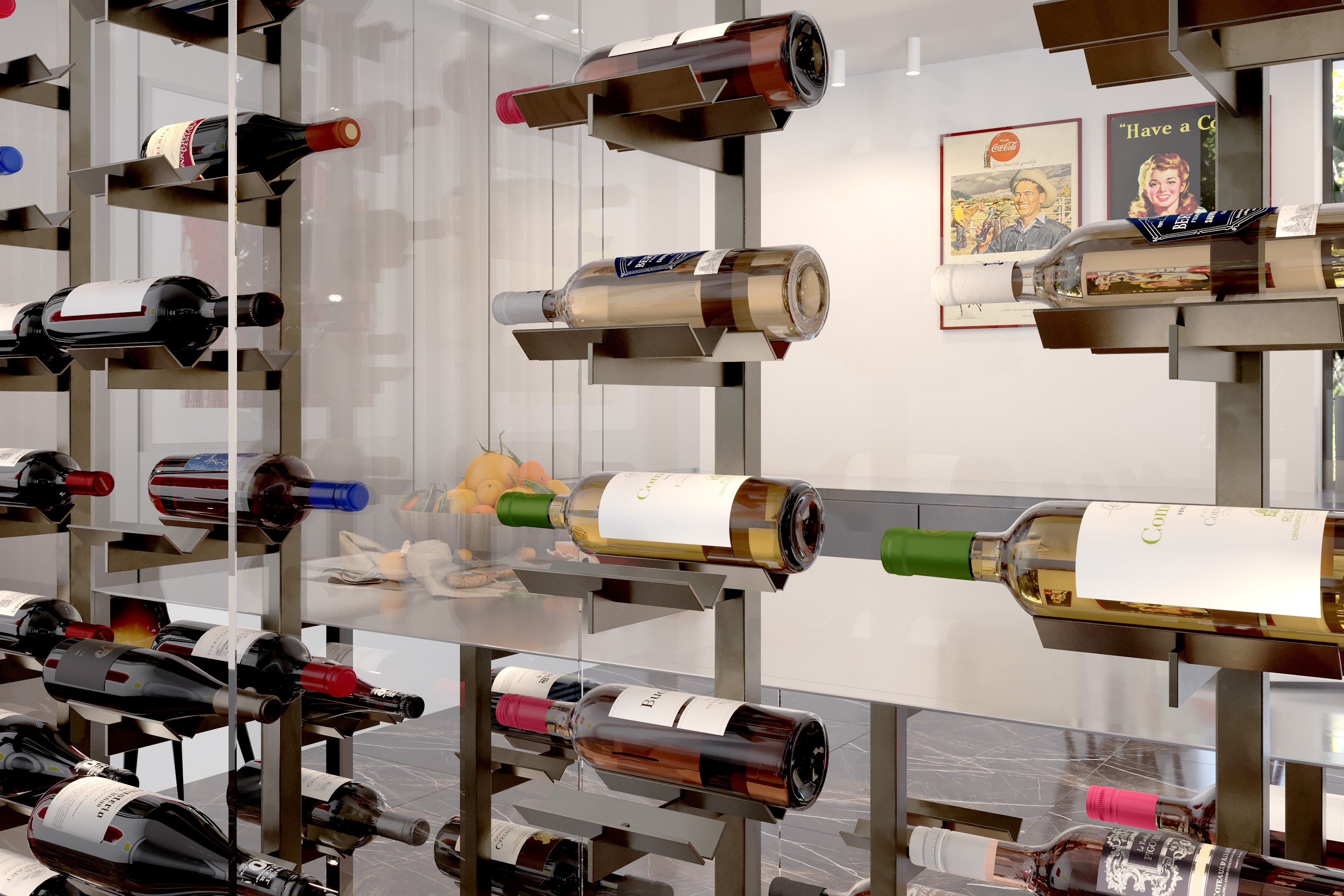
A customer who sees the wine is more likely to trust the place.
The visible cellar reassures, intrigues, and immediately enhances the menu.
👉 It tells a story even before the first sip.
In a restaurant, the wine cellar in the dining room allows:
to materialize the positioning (bistronomic, gastronomic, wine bar)
to strengthen the credibility of the selection
to create a strong visual anchor point
But to seduce, it is essential to choose the right format, adapted to the room, service, and volume of wines.
Here are the 5 most effective formats observed in restaurants where the cellar becomes a true commercial and aesthetic asset.
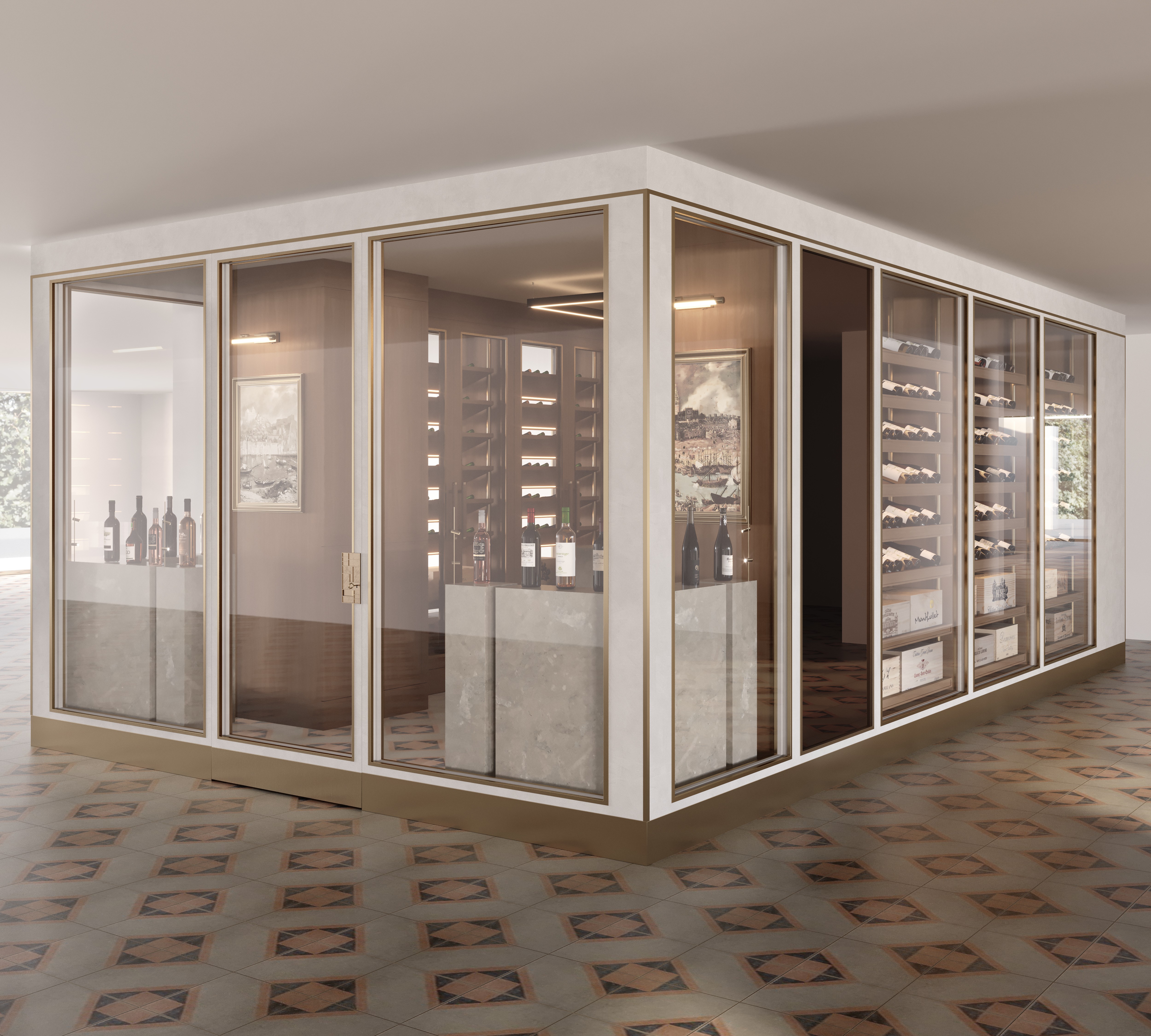
👉 The cellar as the center piece of the room
Placed at the heart of the restaurant, the central glass cellar immediately captures the eye. It structures the space, organizes circulation, and becomes a strong visual point of reference. This format works particularly well when:
the room has sufficient volume
the cellar is visible from multiple tables
the architecture is designed around it
👉 Key Issue: proportions and readability.
A central cellar that is too massive overwhelms the room. Too small, it loses its impact. Maison Borio has realized a similar project that addresses various issues: Barrington Project.
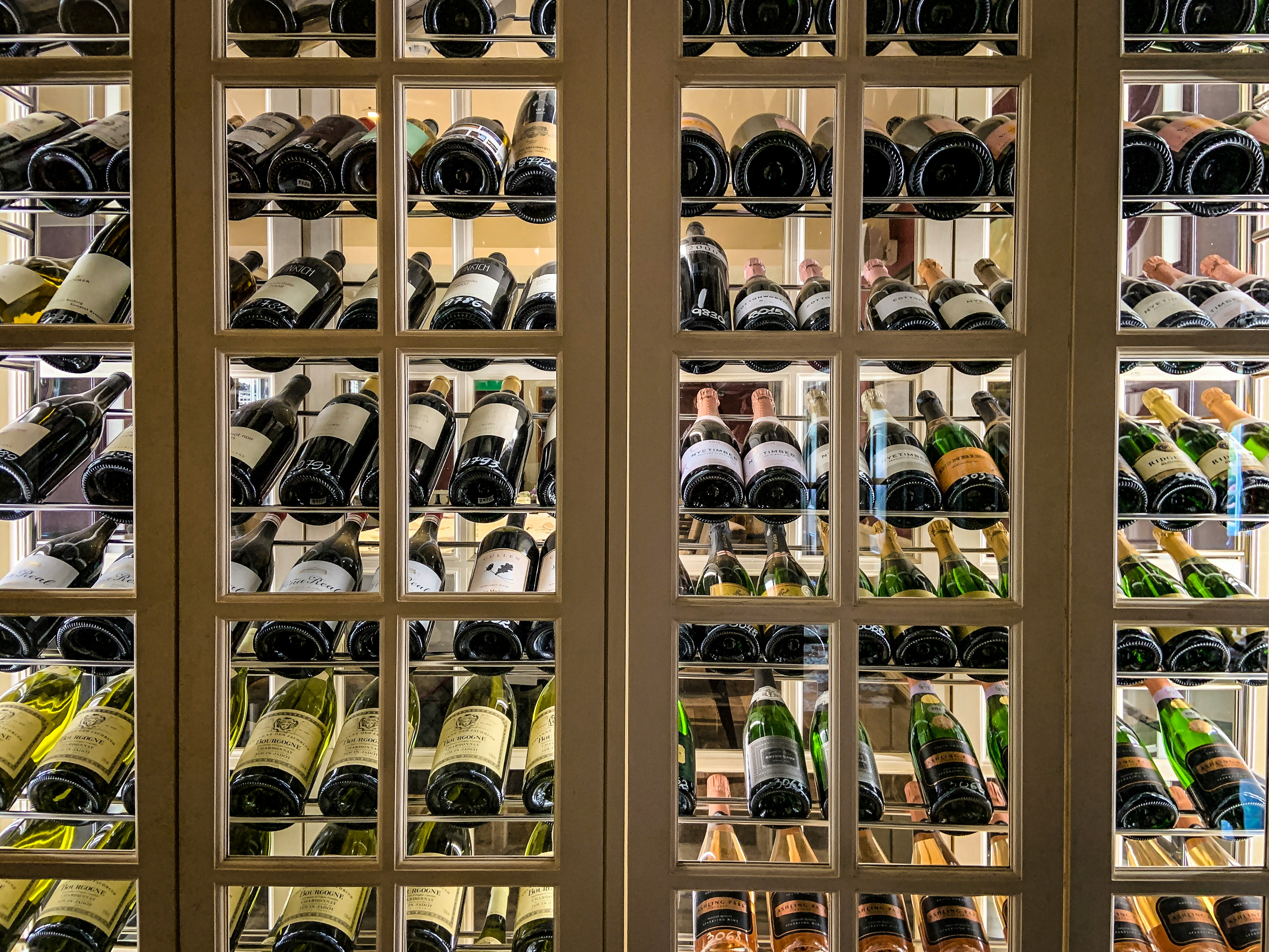
👉 The cellar as an extension of the decor
The walled glass cellar integrates along a load-bearing wall or at the back of the room.
It allows for enhancing the wine list without disrupting circulation.
It is one of the most versatile formats:
adaptable to narrow rooms
compatible with high-turnover restaurants
easy to integrate into existing architecture
👉 Key Issue: alignment with the lines of the place (woodwork, sofas, lighting).
This type of integration is frequently found in Maison Borio projects.
👉 The cellar as a link between two spaces
The through cellar separates without partitioning.
It can link:
the dining room and bar
the dining room and visible kitchen
two dining areas
It creates depth and enhances the feeling of a place designed as a whole.
👉 Key Issue: double reading.
The cellar must be as readable from one side as the other, without a “technical back” effect.
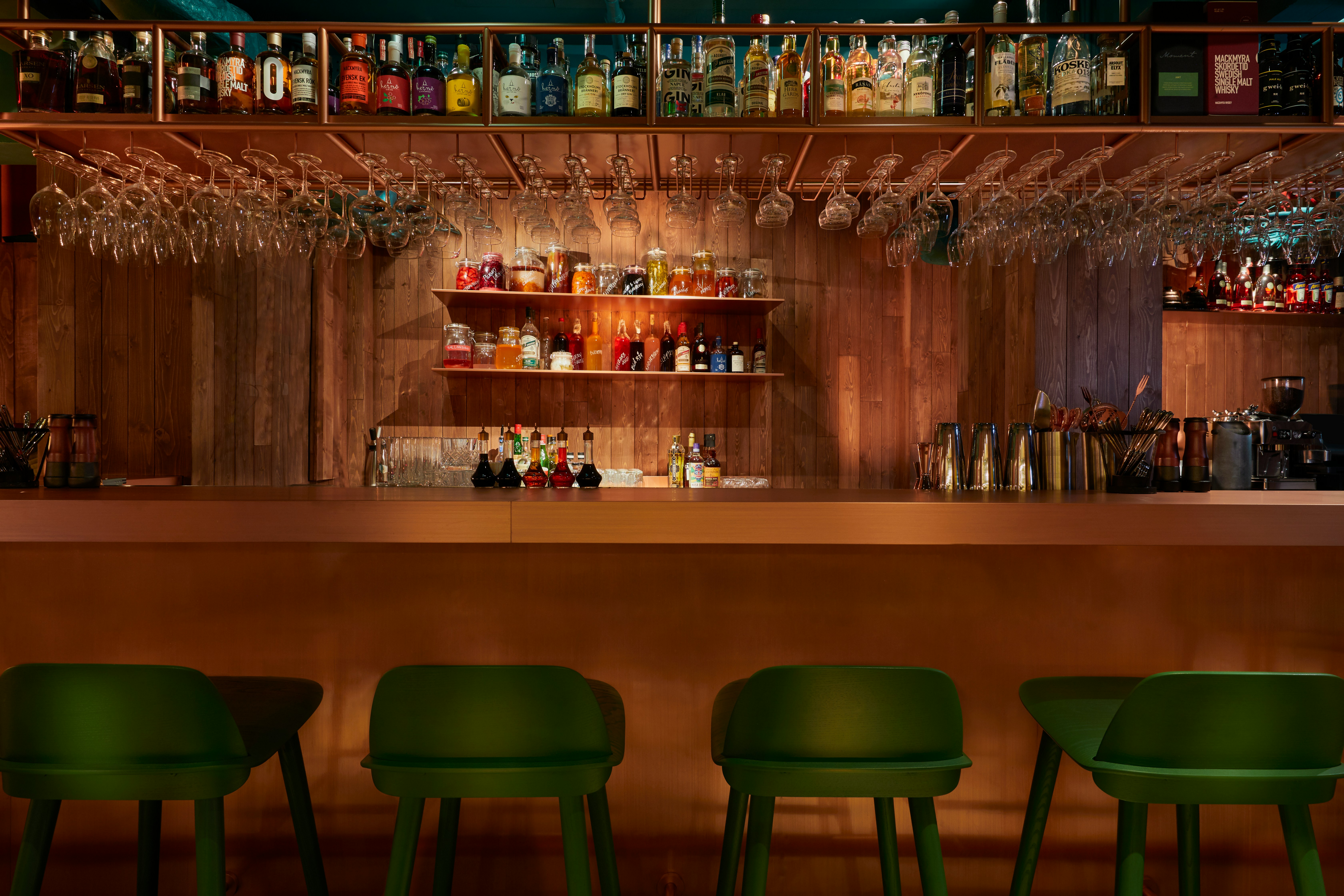
👉 The cellar as an immediate service tool
Highly appreciated in wine bars and lively restaurants, this configuration places the cellar as close as possible to the gesture.
Advantages:
speed of service
direct interaction with the customer
enhancement of opened or to-be-served bottles
👉 Key Issue: resistance to intensive use.
Frequent openings, human proximity, thermal variations… everything must be anticipated.
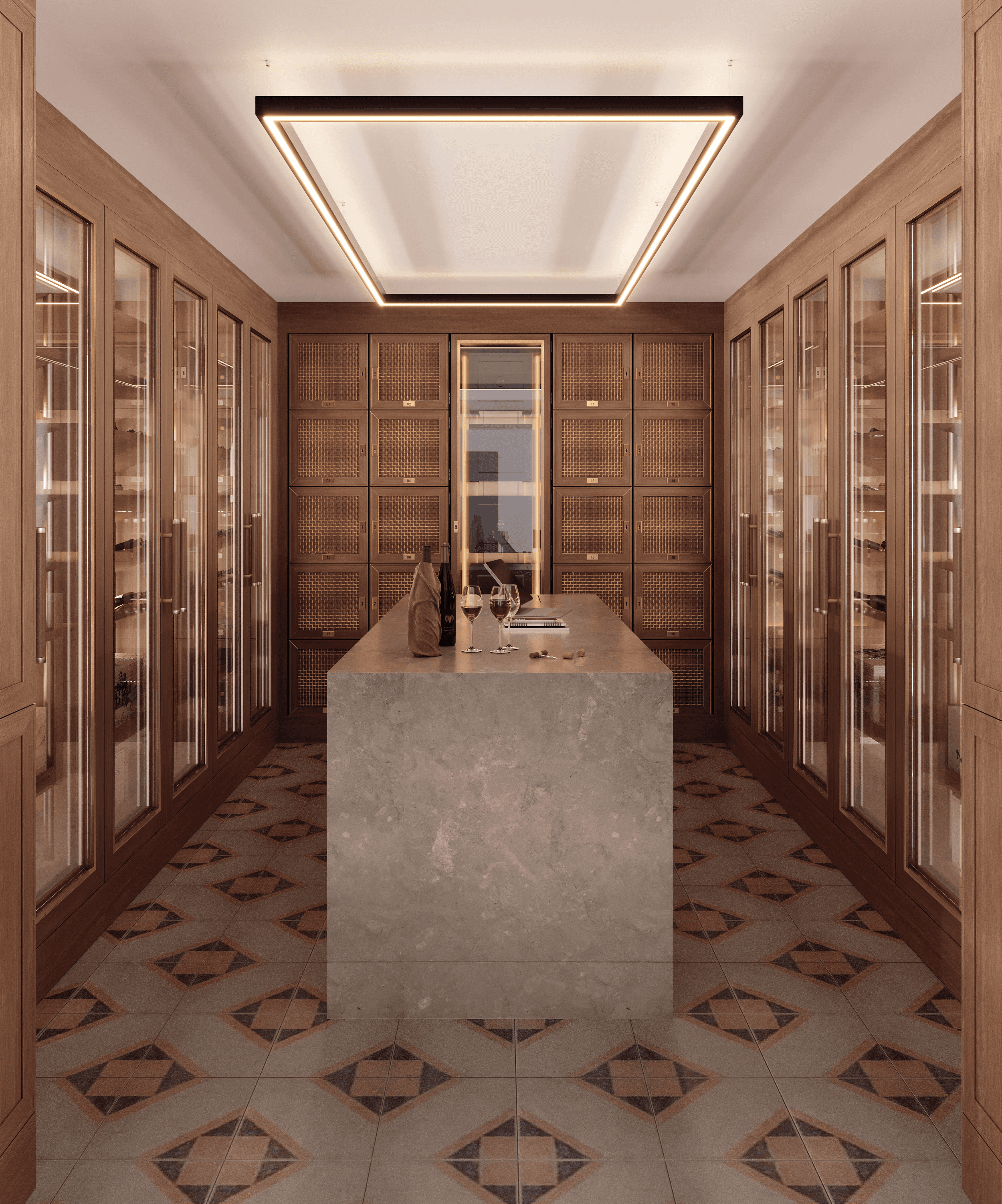
👉 The cellar as an immersive experience
This is the most spectacular format.
The cellar is visible on multiple sides, sometimes 360°, and becomes a fully-fledged architectural object.
This format is reserved for places:
with a strong identity
with a clear experiential ambition
capable of having a cellar as a visual signature
👉 Key Issue: invisible technical mastery.
Ventilation, condensation, lighting, and maintenance must be perfectly integrated.

There is no universal format.
The right choice depends on several parameters:
size and configuration of the room
type of service (table, counter, mixed)
rotation frequency
positioning of the restaurant
That’s why the reflection on the cellar is always part of a global vision of the place, as detailed on the know-how page.
Some mistakes occur regularly:
choosing a format that is too imposing for the room
thinking of the cellar after the layout
neglecting the impact on staff circulation
prioritizing visual effect over real usage
👉 In the dining room, a poorly designed cellar is immediately noticeable.
And what the customer sees directly influences their feelings.
A cellar in the dining room is not just a simple piece of furniture.
It involves:
architecture
service
customer perception
performance over time
That’s precisely why a project for a wine cellar in a restaurant requires the support of a qualified provider, capable of coordinating aesthetics, technique, and usage.
The support modalities are detailed in the Maison Borio services.
A wine cellar in a restaurant dining room is much more than just a visible storage space.
It is a tool for experience, a marker of positioning, and a lever for customer seduction.
Choosing the right format, in the right place, with the right proportions, makes all the difference between a decor and a signature.
👉 To imagine a cellar coherent with your place, discover concrete realizations, or discuss your project, you can consult the Maison Borio projects or get in touch via the contact.
Yes, provided you choose a proportionate and coherent format with the room and the service.
Yes. It reinforces the credibility of the menu and the perception of quality of the place.
In catering, the cellar must always remain functional, even when it is scenic.
No, if it is designed with the flow of staff from the outset.
It can, if it is poorly designed. A prior technical study is essential.
Gourmet Coreco – How to Create an Effective Wine Cellar in Your Restaurant with Refrigerated Wine Cellars (2024): https://gourmetcoreco.com/fr/comment-creer-une-cave-a-vin-efficace-dans-votre-restaurant-avec-des-caves-a-vin-refrigerees/
My Wine Cellar – Wine Displays 1 to 4 Glass Faces (2024): https://www.ma-cave-a-vin.fr/cave-vin/vitrine-a-vin.htm
Wine Cellars – Wine Cellar for Restaurants: Buying Guide and Tips (2024): https://www.lescavesavin.com/blog/article/cave-a-vin-pour-restaurants-guide-d-achats-et-conseils-.html
Europea / Millesime Wine Racks – Design Wall Wine Cellar (2024): https://europeawineracks.com/cave-a-vin-murale-design/
Le P’tit Pinard – Installation Process of an Electric Wine Cellar in a Wine Bar (2024): https://www.leptitpinard.fr/processus-installation-cave-vin-electrique-bar.html
ArchiExpo – Wine Cellar for Restaurant – All Manufacturers (2024): https://www.archiexpo.fr/fabricant-architecture-design/cave-vin-restaurant-72448.html
A visible wine cellar in a restaurant is never neutral.
It influences the perception of the place, the trust in the wine list, and the overall experience of the customer. Well designed, it becomes a sign of mastery, seriousness, and art de vivre. Poorly thought out, it disrupts circulation, muddles the reading of the space, and harms service.
Today, the wine cellar in the dining room is no longer just a storage space.
It is a staging tool, at the intersection of architecture, service, and the identity of the restaurant. An extension of the restaurant's storytelling.
It is precisely in this logic that Maison Borio designs wine cellars for restaurants: not as technical equipment, but as structuring elements of the customer experience, integrated into the architecture of the place.
You can discover this global approach at Maison Borio.
A customer who sees the wine is more likely to trust the place.
The visible cellar reassures, intrigues, and immediately enhances the menu.
👉 It tells a story even before the first sip.
In a restaurant, the wine cellar in the dining room allows:
to materialize the positioning (bistronomic, gastronomic, wine bar)
to strengthen the credibility of the selection
to create a strong visual anchor point
But to seduce, it is essential to choose the right format, adapted to the room, service, and volume of wines.
Here are the 5 most effective formats observed in restaurants where the cellar becomes a true commercial and aesthetic asset.
👉 The cellar as the center piece of the room
Placed at the heart of the restaurant, the central glass cellar immediately captures the eye. It structures the space, organizes circulation, and becomes a strong visual point of reference. This format works particularly well when:
the room has sufficient volume
the cellar is visible from multiple tables
the architecture is designed around it
👉 Key Issue: proportions and readability.
A central cellar that is too massive overwhelms the room. Too small, it loses its impact. Maison Borio has realized a similar project that addresses various issues: Barrington Project.
👉 The cellar as an extension of the decor
The walled glass cellar integrates along a load-bearing wall or at the back of the room.
It allows for enhancing the wine list without disrupting circulation.
It is one of the most versatile formats:
adaptable to narrow rooms
compatible with high-turnover restaurants
easy to integrate into existing architecture
👉 Key Issue: alignment with the lines of the place (woodwork, sofas, lighting).
This type of integration is frequently found in Maison Borio projects.
👉 The cellar as a link between two spaces
The through cellar separates without partitioning.
It can link:
the dining room and bar
the dining room and visible kitchen
two dining areas
It creates depth and enhances the feeling of a place designed as a whole.
👉 Key Issue: double reading.
The cellar must be as readable from one side as the other, without a “technical back” effect.
👉 The cellar as an immediate service tool
Highly appreciated in wine bars and lively restaurants, this configuration places the cellar as close as possible to the gesture.
Advantages:
speed of service
direct interaction with the customer
enhancement of opened or to-be-served bottles
👉 Key Issue: resistance to intensive use.
Frequent openings, human proximity, thermal variations… everything must be anticipated.
👉 The cellar as an immersive experience
This is the most spectacular format.
The cellar is visible on multiple sides, sometimes 360°, and becomes a fully-fledged architectural object.
This format is reserved for places:
with a strong identity
with a clear experiential ambition
capable of having a cellar as a visual signature
👉 Key Issue: invisible technical mastery.
Ventilation, condensation, lighting, and maintenance must be perfectly integrated.
There is no universal format.
The right choice depends on several parameters:
size and configuration of the room
type of service (table, counter, mixed)
rotation frequency
positioning of the restaurant
That’s why the reflection on the cellar is always part of a global vision of the place, as detailed on the know-how page.
Some mistakes occur regularly:
choosing a format that is too imposing for the room
thinking of the cellar after the layout
neglecting the impact on staff circulation
prioritizing visual effect over real usage
👉 In the dining room, a poorly designed cellar is immediately noticeable.
And what the customer sees directly influences their feelings.
A cellar in the dining room is not just a simple piece of furniture.
It involves:
architecture
service
customer perception
performance over time
That’s precisely why a project for a wine cellar in a restaurant requires the support of a qualified provider, capable of coordinating aesthetics, technique, and usage.
The support modalities are detailed in the Maison Borio services.
A wine cellar in a restaurant dining room is much more than just a visible storage space.
It is a tool for experience, a marker of positioning, and a lever for customer seduction.
Choosing the right format, in the right place, with the right proportions, makes all the difference between a decor and a signature.
👉 To imagine a cellar coherent with your place, discover concrete realizations, or discuss your project, you can consult the Maison Borio projects or get in touch via the contact.
Yes, provided you choose a proportionate and coherent format with the room and the service.
Yes. It reinforces the credibility of the menu and the perception of quality of the place.
In catering, the cellar must always remain functional, even when it is scenic.
No, if it is designed with the flow of staff from the outset.
It can, if it is poorly designed. A prior technical study is essential.
Gourmet Coreco – How to Create an Effective Wine Cellar in Your Restaurant with Refrigerated Wine Cellars (2024): https://gourmetcoreco.com/fr/comment-creer-une-cave-a-vin-efficace-dans-votre-restaurant-avec-des-caves-a-vin-refrigerees/
My Wine Cellar – Wine Displays 1 to 4 Glass Faces (2024): https://www.ma-cave-a-vin.fr/cave-vin/vitrine-a-vin.htm
Wine Cellars – Wine Cellar for Restaurants: Buying Guide and Tips (2024): https://www.lescavesavin.com/blog/article/cave-a-vin-pour-restaurants-guide-d-achats-et-conseils-.html
Europea / Millesime Wine Racks – Design Wall Wine Cellar (2024): https://europeawineracks.com/cave-a-vin-murale-design/
Le P’tit Pinard – Installation Process of an Electric Wine Cellar in a Wine Bar (2024): https://www.leptitpinard.fr/processus-installation-cave-vin-electrique-bar.html
ArchiExpo – Wine Cellar for Restaurant – All Manufacturers (2024): https://www.archiexpo.fr/fabricant-architecture-design/cave-vin-restaurant-72448.html
Each month, receive by email our artisan portraits, case studies, and inspirations.
No spam. You can unsubscribe at any time.
You want to design a high-end custom wine cellar. Our teams support you with discretion and rigor, from reflection to the realization of your project. To start a personalized exchange, contact us.
Request a personalized study
contact@maisonborio.com

Terms of Service
Personal data and cookies
Cookie settings
Each month, receive by email our artisan portraits, case studies, and inspirations.
No spam. You can unsubscribe at any time.
You want to design a high-end custom wine cellar. Our teams support you with discretion and rigor, from reflection to the realization of your project. To start a personalized exchange, contact us.
Request a personalized study
contact@maisonborio.com
Terms of Service
Personal data and cookies
Cookie settings